





Cooking is often treated as a task: choose a recipe, gather ingredients, prepare the dish, and clean up afterward. Recipe journaling adds another layer to the experience. It gives home cooks a place to record what they make, reflect on the results, and collect ideas for future meals.
This simple hobby is becoming increasingly popular because it combines creativity, organization, and personal storytelling. A recipe journal can be as practical or artistic as the writer wants. It might be a notebook filled with handwritten recipes, a decorated binder, a digital document, or a combination of formats.
What Is Recipe Journaling?
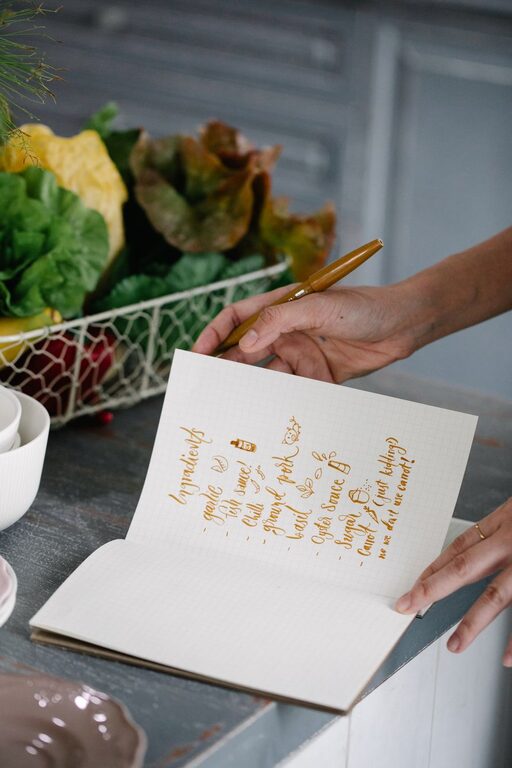
Recipe journaling is the practice of documenting recipes, cooking experiences, adjustments, and food-related memories. Unlike a basic recipe collection, a journal captures the process as well as the final instructions.
A typical entry might include:
– The name of the dish
– The date it was prepared
– Ingredients and measurements
– Changes made to the original recipe
– Cooking time and temperature
– Notes about taste and texture
– Ideas for serving or improving the dish
– A rating or short reflection
– A photo, sketch, label, or family story
There are no strict rules. Some people create detailed records, while others write only a few sentences after each meal. The goal is to build a useful and meaningful record over time.
A Creative Outlet in the Kitchen
Recipe journaling allows cooking to become more than a routine. Writing about food encourages people to notice colors, textures, aromas, and presentation. Adding drawings, photographs, stickers, or handwritten notes can make the journal feel personal.
For creative cooks, the journal becomes a space to experiment with:
– Page layouts
– Hand lettering
– Food illustrations
– Seasonal themes
– Color combinations
– Collages and printed images
– Decorative recipe cards
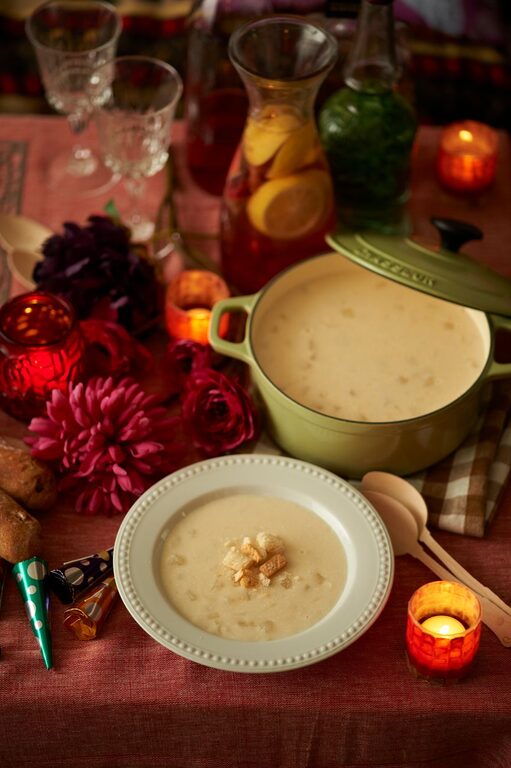
This creative side can make ordinary meals feel more special. Even a simple soup or sandwich can inspire a page filled with notes and visual details.
The activity also works well for people who enjoy crafts but do not want a complicated project. A pen, a notebook, and a few minutes are enough to begin.
A Practical Way to Improve Recipes
One of the most useful benefits of recipe journaling is that it helps cooks learn from experience. Recipes do not always work perfectly the first time. A dish may need more seasoning, a shorter cooking time, or a different ingredient.
Writing down these observations makes future attempts easier. Instead of relying on memory, cooks can review exactly what they changed and how the dish turned out.
A helpful recipe note might say:
– Use a larger pan next time
– Reduce the baking time by five minutes
– Add fresh herbs before serving
– Double the sauce
– Chop the vegetables more finely
– Serve immediately for the best texture
Over time, these details create a personal cooking guide. The journal becomes more valuable with each entry because it reflects the writer’s own preferences and experiences.
Tracking Favorite Adjustments
Many home cooks change recipes without recording those changes. Later, they may remember that a dish was especially successful but forget why. A journal helps preserve those small discoveries.
It can also reveal patterns. For example, a cook may notice that they prefer less sweetness in baked goods, extra vegetables in pasta dishes, or simpler seasoning in soups. These observations can make meal planning more confident and efficient.
Preserving Family Traditions and Memories
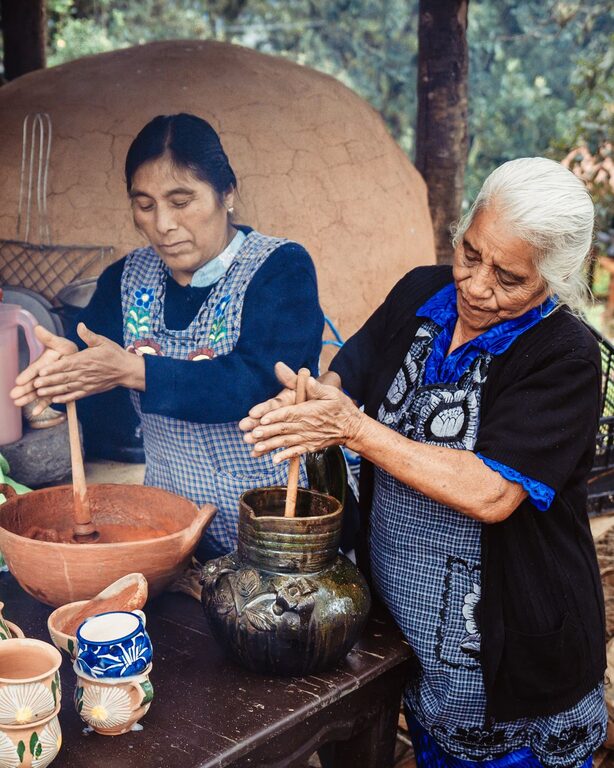
Food often connects people to places, celebrations, and family traditions. A recipe journal offers a way to preserve those connections in a lasting format.
A handwritten recipe from a relative can be copied into a journal alongside a story about when it was served. A holiday dish might be linked to a special gathering. A favorite breakfast could include a note about who taught the recipe and how it has changed over the years.
These details are important because recipes are rarely just lists of ingredients. They often carry memories of people and moments.
A meaningful journal entry might include:
– Who shared the recipe
– When the dish is usually prepared
– A memory connected to the meal
– Traditional serving suggestions
– Family variations
– A photograph of the original recipe card
This turns the journal into a personal food history. It can also become a thoughtful keepsake to share with family members and friends.
Encouraging Mindful Cooking
Recipe journaling can help people slow down and pay closer attention while cooking. Instead of rushing through each step, they may notice what is happening in the pan, how ingredients change, and how the finished dish comes together.
A short reflection after cooking can encourage this habit. Writers might consider:
– What part of the process was enjoyable?
– Which step was the most challenging?
– What did the finished dish taste like?
– Would the recipe be prepared again?
– How could the meal be presented differently?
This type of reflection does not need to be formal or lengthy. A few honest words can make cooking feel more intentional.
Mindful cooking can also make everyday meals feel less repetitive. When people pay attention to the experience, they may find more satisfaction in preparing familiar dishes.
A Flexible Hobby for Any Schedule
Recipe journaling is easy to adapt to different lifestyles. It does not require a large collection of supplies or a significant time commitment.
Someone with only a few minutes can write a quick note in a small notebook. Another person may enjoy spending an afternoon designing a detailed page. Both approaches are equally valid.
Popular formats include:
– A traditional bound notebook
– A three ring binder with removable pages
– Recipe cards stored in a box
– A digital journal
– A photo based cooking diary
– A calendar with one recipe per day or week
A binder is useful for reorganizing recipes by category. A notebook provides a continuous record, while digital tools make it easy to search and add photos. Choosing a format that feels convenient increases the chance of making journaling a regular habit.
How to Start a Recipe Journal
Beginning does not need to be complicated. Start with a recipe that was recently prepared, whether it was a success or a learning experience.
1. Choose a Simple Format
Select a notebook, folder, or digital document. Avoid waiting for the perfect supplies. A basic format can be improved later.
2. Record the Essentials
Write down the recipe name, ingredients, date, and any changes made. Add a quick note about the result.
3. Include Personal Details
Mention who enjoyed the meal, what occasion it suited, or what you would like to try next time. These details make the journal more memorable.
4. Add Visual Elements if Desired
Include a photo, sketch, printed label, or decorative border. Visual touches are optional, but they can make the journal more enjoyable to revisit.
5. Make It a Regular Practice
Choose a manageable rhythm, such as one entry per week. Consistency matters more than creating perfect pages.
Why the Hobby Continues to Grow
Recipe journaling appeals to a wide range of people because it brings together several enjoyable activities. It supports cooking, writing, creativity, organization, and memory keeping in one simple project.
It also offers a refreshing alternative to fast, disposable digital content. While online recipes are convenient, a personal journal provides a slower and more lasting experience. Each page reflects the cook’s choices, lessons, and memories.
Most importantly, recipe journaling encourages people to value the process of making food. A meal does not have to be elaborate to deserve attention. With a few notes and a little creativity, everyday cooking can become part of a personal story that grows one recipe at a time.