

Handmade cheese workshops are attracting people who want to learn practical food skills in a relaxed, social setting. These classes combine cooking, creativity, and tradition, giving participants the chance to make cheese from simple ingredients while learning how different methods affect flavor and texture.
The growing interest is part of a wider appreciation for hands-on experiences. Instead of simply buying a finished product, workshop participants can follow each step, ask questions, and better understand how food is made. The result is both a tasty product and a memorable activity.
What Happens in a Handmade Cheese Workshop?
Most workshops guide participants through the basic process of making one or more fresh cheeses. The exact schedule varies, but many classes include a short introduction, a demonstration, hands-on preparation, and time for tasting.
A typical workshop may cover:
– Choosing and preparing milk
– Understanding cultures, rennet, salt, and other ingredients
– Heating and stirring the milk
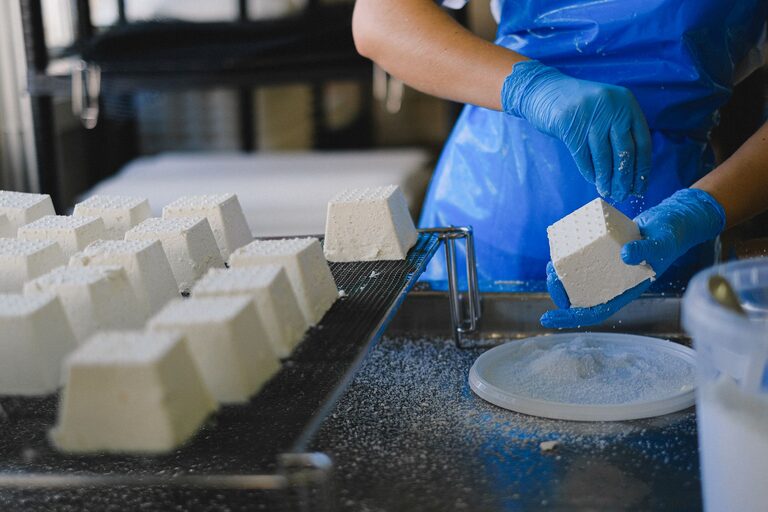
– Cutting and draining curds
– Shaping or pressing the cheese
– Adding herbs, spices, or other flavors
– Storing and serving the finished product
Some classes focus on fresh cheeses that can be enjoyed the same day. Others introduce longer processes that require aging, careful temperature control, or specialized equipment.
Workshops may be held in culinary schools, farms, specialty food stores, community kitchens, or private studios. Class sizes are often kept small so that each participant receives guidance during the practical portions.
Why Are More People Interested?
A Hands-On Learning Experience
Many people enjoy activities that allow them to work with their hands. Cheese making involves simple but meaningful tasks, such as stirring, cutting, draining, and shaping. These steps create a clear connection between the ingredients and the final result.
Unlike a demonstration that only requires watching, a workshop allows participants to take part in every stage. This active approach can make the process easier to remember and more satisfying.
Curiosity About Traditional Food Skills
Cheese making is an old craft with many regional variations. Learning the basics offers a glimpse into food traditions that have been passed down through generations.
Participants may discover how similar ingredients can produce very different results. Changes in temperature, timing, moisture, cultures, and aging conditions can affect the final cheese. This combination of tradition and technique is one reason the craft appeals to curious beginners.
A Break from Screen-Based Activities
Workshops provide an opportunity to step away from screens and focus on a physical task. Participants can concentrate on textures, aromas, temperatures, and visual changes as the milk becomes curd.
This slower pace can make the experience feel special. The workshop is not only about producing cheese; it is also about enjoying the process and being present in the moment.
A Social Activity
Cheese workshops are often designed for groups. Friends, couples, families, and coworkers may attend together, while individual participants can meet others with similar interests.
The shared nature of the activity creates natural conversation. People can compare their results, exchange serving ideas, and enjoy a tasting session at the end. For many, the social aspect is just as appealing as the practical lesson.
What Can Beginners Expect to Learn?
A well-designed workshop usually introduces the fundamentals without assuming prior experience. Participants may learn how to recognize changes in milk during heating and how curds develop after the addition of cultures or rennet.
Instructors may also explain:
– Why temperature matters
– How acidity influences texture
– How moisture affects storage
– When to cut or stir the curds
– How salt changes flavor and structure
– Which tools are useful at home
– How to serve and store different cheeses
The goal is not always to turn participants into professional cheesemakers. Instead, workshops generally provide a strong starting point and the confidence to continue practicing at home.
The Appeal of Local Ingredients
Many workshops highlight milk and other ingredients from nearby farms or producers. This gives participants a chance to learn more about the ingredients they use and the people who produce them.
Local sourcing can also add character to the workshop. The flavor and texture of cheese may vary depending on the milk, season, and production methods. Instructors can explain these differences in a practical way, helping participants understand that cheese is shaped by both technique and ingredients.
Some classes also include local herbs, honey, fruit, or spices. These additions can show how fresh cheese can be adapted for different meals and occasions.
Different Types of Workshops
The growing interest in handmade cheese has led to a wide range of class formats.
Fresh Cheese Classes
These are often the most accessible option for beginners. Participants may make cheeses such as ricotta, paneer, queso fresco, or soft spreadable varieties. Fresh cheeses usually require less equipment and can often be tasted soon after preparation.
Aged Cheese Workshops
Aged cheese classes introduce more detailed processes, including pressing, salting, and storage. Participants may learn how humidity, airflow, and time influence the final product.
Because aging continues after the workshop, these classes may include instructions for caring for the cheese at home or returning later for a tasting.
Farm-Based Experiences
Farm workshops combine cheese making with a broader look at food production. Visitors may tour the facilities, learn about animal care, or see how milk is collected and handled before the class begins.
These experiences are especially appealing to people who want to connect food with its source.
Private and Specialty Classes
Some instructors offer private workshops for celebrations, team activities, or small groups. Others focus on specific styles, regional traditions, or pairings with bread, fruit, or other foods.
Choosing the Right Workshop
Anyone considering a class should review the description carefully before booking. Important details may include the length of the session, the types of cheese being made, and whether participants take their creations home.
It can also help to check:
– The instructor’s experience
– The number of participants
– The equipment provided
– Whether tastings are included
– Any age requirements
– Accessibility information
– Cancellation and rescheduling policies
Beginners may prefer a shorter class focused on fresh cheese. Those with previous experience might enjoy a more advanced session covering aging or specialized techniques.
Bringing the Experience Home
One benefit of a workshop is that it can inspire continued practice. After learning the basic process, participants may begin with simple recipes and gradually explore new styles.
A home setup does not need to be complicated. Many beginner recipes require only a large pot, thermometer, spoon, strainer, cheesecloth, and suitable containers. However, cleanliness and careful food handling are important. Participants should follow the instructor’s storage guidance and use reliable recipes designed for home preparation.
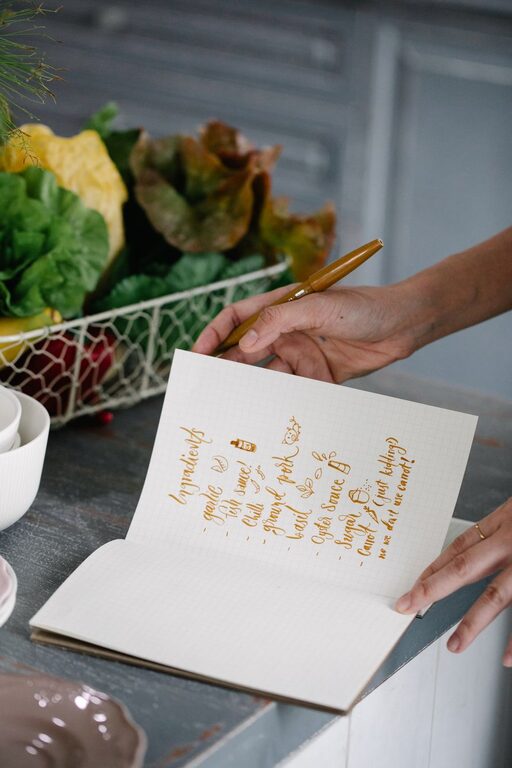
Keeping notes can also improve results. Recording ingredient amounts, temperatures, timing, and observations makes it easier to understand what worked and what could be adjusted.
The Future of Handmade Cheese Workshops
Interest in handmade cheese workshops is likely to continue as people seek activities that combine learning, creativity, and connection. These classes offer more than a finished food product. They provide insight into traditional skills, local ingredients, and the value of taking time with a process.
For beginners, a workshop can make cheese making feel approachable. For experienced cooks, it can open the door to new techniques and flavors. Whether held on a farm, in a kitchen, or at a neighborhood food shop, the experience gives participants a practical way to explore a timeless craft.