





A soup-and-story gathering is a simple way to bring people together. It combines a comforting meal with the relaxed pleasure of sharing memories, favorite books, travel tales, family traditions, or made-up stories. Unlike a formal dinner party, this type of gathering does not require a complicated menu or a packed schedule.
With a few thoughtful details, you can create an evening that feels welcoming, personal, and easy to enjoy. Here are fresh ideas for planning a cozy soup-and-story gathering that guests will remember.
Choose a Simple Gathering Style
Before planning the menu, decide what kind of experience you want to create. The format can be casual and flexible, or it can include a few organized activities.
Consider one of these themes:
– Family recipe night: Invite guests to share stories connected to favorite recipes or family meals.
– Book-inspired evening: Choose a short story, poem, or chapter for everyone to read before gathering.
– Travel tales: Ask guests to bring a story from a memorable trip, whether it was far away or close to home.
– Neighborhood storytelling: Encourage guests to share local memories, funny moments, or stories about places they love.
– Seasonal gathering: Build the menu and decorations around autumn, winter, spring, or summer ingredients and colors.
A theme gives guests a helpful starting point without making the evening feel too structured.
Create a Welcoming Setting
Comfort is the heart of this gathering. Arrange the room so guests can easily see and hear one another. A circle of chairs, a collection of small tables, or a dining table with open seating can all work well.
Add simple touches that make the space feel warm:
– Use soft lamps or string lights instead of bright overhead lighting.
– Place extra blankets over the backs of chairs.
– Set out cushions for floor seating.
– Add a few seasonal flowers, branches, or herbs to the table.
– Play quiet instrumental music as guests arrive.
– Keep coats and bags in a convenient, uncluttered area.
Avoid making the room too dark or filling every surface with decorations. Guests should feel comfortable moving around and serving themselves.
Build a Soup-Friendly Menu
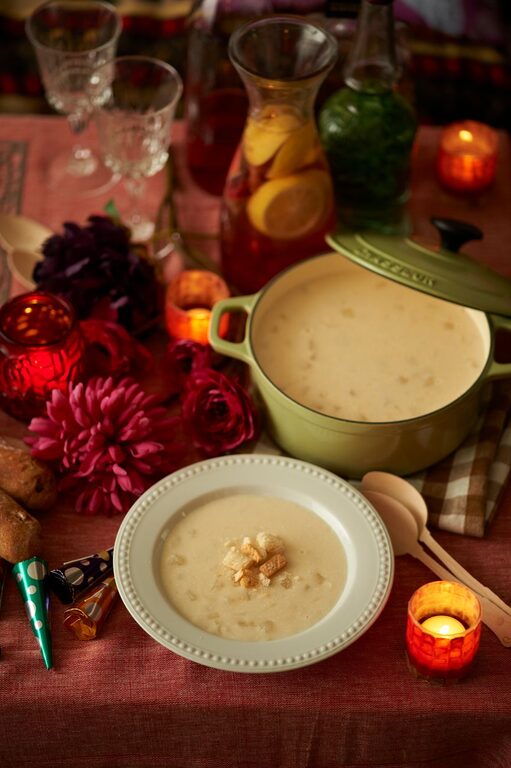
Soup is ideal for a casual gathering because it can often be prepared in advance and kept warm. Offer one main soup or serve two different options for variety.
A balanced menu might include:
– One hearty soup, such as lentil, chicken and vegetable, or bean soup
– One lighter or vegetarian soup, such as tomato, squash, or mushroom
– Crusty bread, rolls, or cornbread
– A simple green salad
– A small selection of toppings
– A light dessert, such as cookies, fruit, or cake
For toppings, try chopped herbs, grated cheese, toasted seeds, croutons, plain yogurt, or sliced green onions. Place toppings in small bowls with serving spoons so guests can customize their bowls.
If guests have different food preferences, label each soup clearly. A small card can list the main ingredients and note whether a soup contains dairy, meat, or common allergens.
Add a Soup Tasting Station
For a more interactive meal, create a soup tasting station instead of serving large bowls right away. Offer small cups or mugs of two or three soups, allowing guests to sample each one.
Include simple cards with:
– The soup’s name
– A short description
– Key ingredients
– A suggested topping
This setup encourages conversation and gives people something to discuss as they taste. It is also useful when you want to serve several flavors without preparing full portions of every soup.
To keep the station organized, place bread and toppings at the end of the table. Set out napkins, spoons, and small plates nearby, and keep a few empty spaces available for guests to place their cups.
Plan Easy Story Prompts
Some guests enjoy telling stories immediately, while others appreciate a little encouragement. Story prompts can help everyone participate without putting anyone on the spot.
Write prompts on cards and place them in a bowl. Guests can choose one when they are ready. Try prompts such as:
– What meal reminds you most of home?
– What is a small kindness you still remember?
– Which book has stayed with you over the years?
– What is the funniest thing that happened on a trip?
– What object in your home has an interesting history?
– What tradition would you like to pass along?
– What ordinary day became unexpectedly memorable?
– What is a skill you learned from someone else?
Let guests pass on a prompt if they would rather listen. The goal is to create an inviting conversation, not a performance.
Include a Shared Story Activity
A group storytelling activity can add energy to the evening. One easy option is a “story chain.” Begin with a sentence, then invite each person to add one or two sentences. The story can be silly, mysterious, or heartwarming.
Another idea is to create a shared memory map. Place a large sheet of paper on the table and ask guests to mark a meaningful place, such as a childhood home, favorite park, or memorable vacation spot. Each person can share the story behind their mark.
For a quieter activity, invite everyone to write a short paragraph about a comforting place, meal, or person. Guests may read their writing aloud, or you can collect the notes and display them on a wall.
Make Guests Part of the Evening
A gathering feels more personal when guests have small ways to contribute. Ask each person to bring one of the following:
– A favorite bread or cracker
– A topping for the soup
– A short story, poem, or quote
– A family recipe
– A small object with a story behind it
– A favorite tea or dessert
Keep requests specific and optional. You do not need every guest to bring something, and the host should still have a complete plan in case someone arrives empty-handed.
You can also assign simple roles, such as lighting candles, setting out bowls, or choosing the next story prompt. These small tasks help guests feel involved without creating extra work.
End with a Gentle Closing Tradition
After the main stories, give the evening a calm ending. Serve tea, warm cider, or coffee and offer a final prompt, such as “What is one good thing from your week?” Guests can answer briefly before everyone heads home.
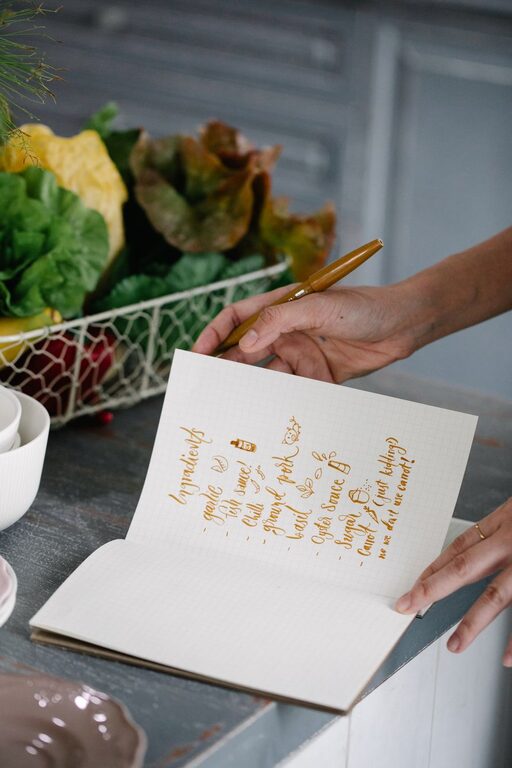
Another thoughtful tradition is to send each person home with a small recipe card. Write down the soup recipes, favorite toppings, or memorable quotes from the evening. A printed card or handwritten note makes a simple gathering feel especially meaningful.
You might also invite guests to write down one story idea they want to remember. These notes can become a keepsake or the beginning of a future gathering.
Keep the Planning Manageable
The best soup-and-story gatherings are comfortable rather than perfect. Prepare the soup ahead of time, choose foods that are easy to serve, and leave enough room in the schedule for conversation.
A successful evening needs only a few essentials:
– A warm and welcoming space
– A satisfying soup
– Comfortable seating
– A handful of story prompts
– Time to listen and connect
Whether you host a small group of close friends or a larger neighborhood gathering, the combination of shared food and personal stories creates a relaxed setting where everyone can feel at home.