
A Fresh Interest in an Old-Fashioned Skill
Pickling has long been part of home cooking, but small-batch pickling classes are giving the tradition new energy. These classes are especially popular with older home cooks who want to learn practical techniques, revisit familiar flavors, or enjoy a hands-on activity with others.
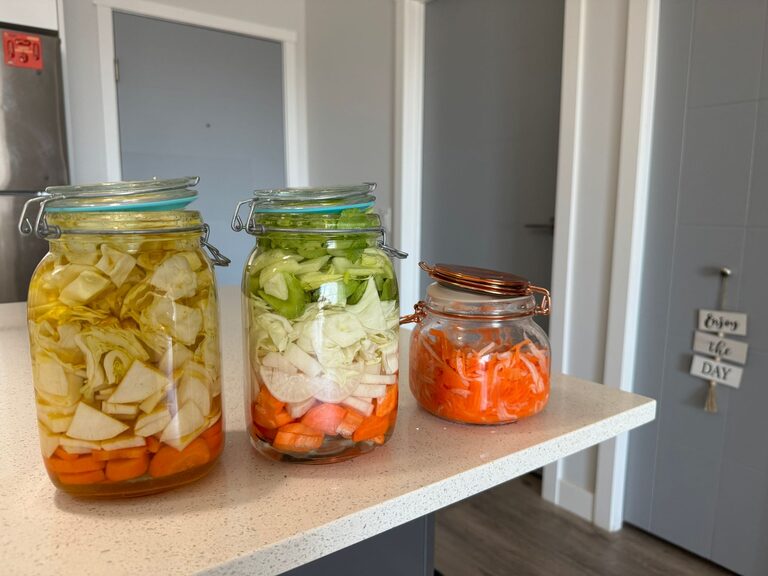
Unlike large-scale preserving projects, small-batch classes focus on manageable amounts of food. Participants may prepare one or two jars of pickles, relish, onions, or vegetables instead of spending an entire day processing a large harvest. The approach feels less demanding while still offering the satisfaction of making something from scratch.
Many classes are hosted by community centers, libraries, garden clubs, cooking schools, farmers markets, and local food organizations. Some are held in person, while others use simple online demonstrations that allow students to follow along from their own kitchens.
Why Small Batches Appeal to Older Home Cooks
Recipes are easier to manage
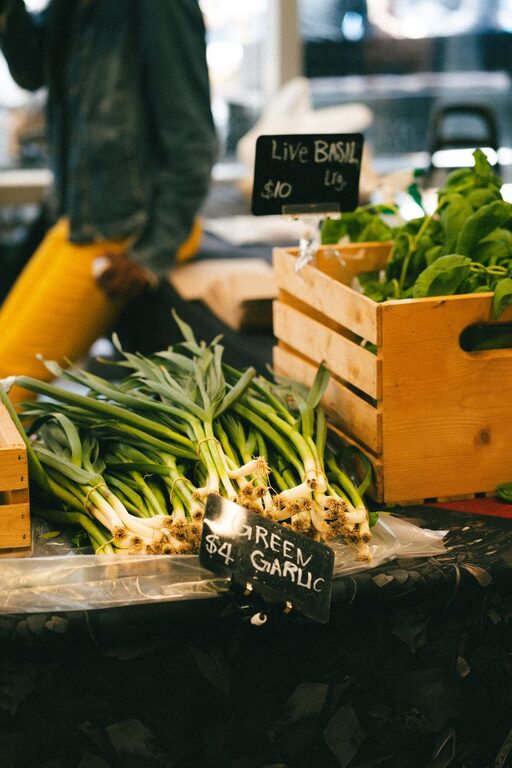
Traditional preserving recipes can call for large quantities of produce, multiple pots, and several hours of preparation. Small-batch recipes reduce those demands. A class may use a few cucumbers, a handful of green beans, or one small basket of carrots.
This makes it easier for home cooks to try a recipe without buying a large amount of equipment or committing to a major project. It also reduces waste if the result is not exactly what they expected.
Classes encourage confidence
Some older cooks already have years of kitchen experience but may be unfamiliar with modern preserving equipment or updated food safety guidance. A class provides a comfortable place to ask questions and watch each step in person.
Instructors can demonstrate how to prepare jars, measure ingredients, create a brine, pack vegetables, and label finished products. Seeing the process can make the work feel more approachable than reading instructions alone.
They offer a welcoming social activity
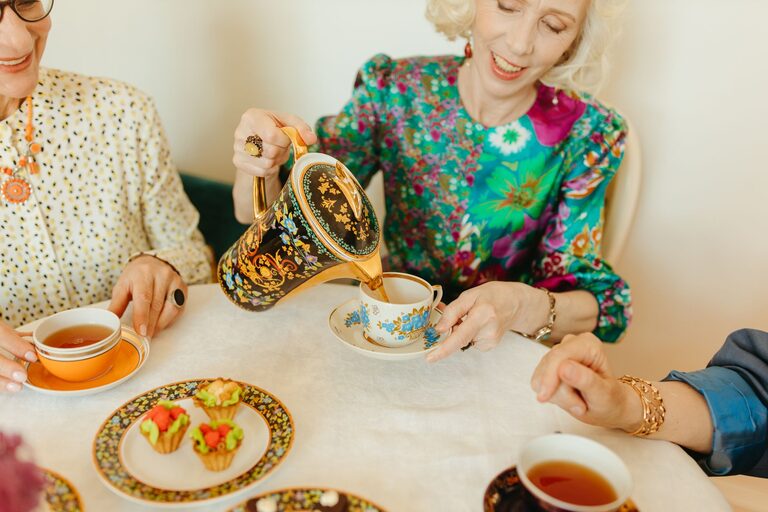
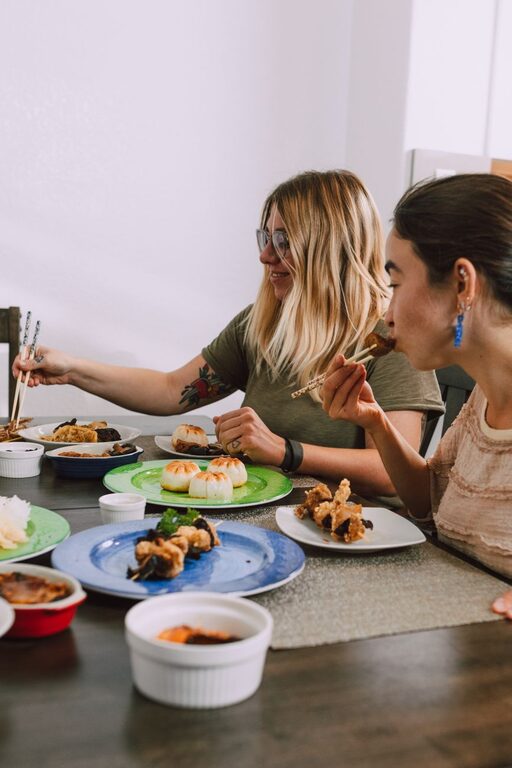
Pickling classes are not only about recipes. They also create opportunities for conversation and connection. Participants often share memories of family kitchens, garden harvests, favorite seasonings, and regional food traditions.
For many people, the social part is just as valuable as the finished jar. A class can turn an ordinary afternoon into a shared experience, especially when students taste samples and compare their preferred flavors.
What a Typical Class Includes
Every program is different, but a well-organized small-batch class usually covers the following topics:
- Choosing fresh, firm produce
- Understanding the difference between refrigerator pickles and shelf-stable products
- Preparing jars, lids, tools, and work surfaces
- Measuring vinegar, water, salt, sugar, and seasonings
- Creating a balanced brine
- Packing vegetables without crushing them
- Cooling, labeling, and storing finished jars
- Recognizing signs that a batch should not be eaten
Many instructors begin with refrigerator pickles because they are simple and do not require the same equipment as traditional canning. Participants can often take their jars home and enjoy them after a short resting period, depending on the recipe.
Popular Small-Batch Pickling Projects
Class menus often follow the seasons and the availability of local produce. Common projects include:
- Dill or bread-and-butter cucumbers
- Quick-pickled red onions
- Pickled carrots and radishes
- Green beans with herbs
- Beets with warm spices
- Jalapeños or mild peppers
- Fruit chutneys and relishes
These projects allow students to compare different textures and flavor profiles. A basic brine can be adjusted with garlic, dill, mustard seeds, peppercorns, ginger, or other seasonings. Instructors often encourage experimentation after students understand the basic method.
Food Safety Is Part of the Lesson
Good classes place food safety at the center of every activity. Pickling involves acidity, temperature, clean equipment, and proper storage, so students should follow tested recipes and reliable guidance rather than changing important proportions casually.
Instructors typically explain the difference between a refrigerated pickle and a product designed for room-temperature storage. They may also discuss how to inspect jars, avoid cross-contamination, keep hands and surfaces clean, and identify unusual odors, colors, or textures.
Students should receive written instructions to take home. Clear handouts make it easier to repeat the recipe accurately and remember storage details. A class that emphasizes careful methods helps participants enjoy pickling while avoiding preventable mistakes.
Accessibility Makes Classes More Inclusive
Organizers are finding practical ways to make pickling classes comfortable for a wide range of older adults. Helpful features can include seated workstations, bright lighting, large-print recipe sheets, easy-to-grip tools, and frequent breaks.
Some programs divide the work into stations so that no one person has to stand for a long time. Others prepare ingredients in advance, allowing students to focus on mixing brines, packing jars, and learning the process.
Class leaders can also offer lighter containers, jar lifters with padded handles, and equipment that does not require excessive force. A slower pace and clear demonstrations benefit beginners of every age.
How to Choose a Good Pickling Class
Anyone considering a class can ask a few questions before registering:
- Is the class designed for small batches?
- Will students make the recipe themselves or only watch a demonstration?
- Are ingredients and equipment included?
- Will participants receive written recipes?
- Does the instructor use tested food preservation methods?
- Is there seating and enough workspace?
- Can students take their finished jars home?
- Does the class welcome beginners?
It is also helpful to check the class length and physical demands. A two-hour workshop may be more comfortable than an all-day session for someone who prefers a relaxed pace.
Starting a Small-Batch Pickling Group
People who cannot find a local class can organize a small group through a library, neighborhood association, garden club, or community kitchen. The group can meet monthly and focus on one seasonal ingredient at a time.
A successful group does not need to be complicated. Members can choose a tested recipe, divide the ingredient list, and assign simple tasks. One person might bring jars, another may provide spices, and the host can prepare the workspace.
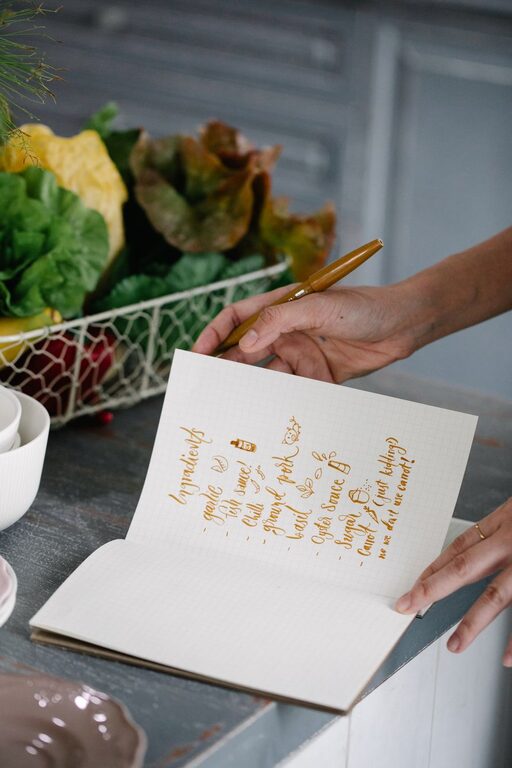
For safety and consistency, the group should use dependable recipes and discuss storage before beginning. Participants may also keep a shared notebook with favorite combinations, preparation dates, and comments about flavor and texture.
A Practical Way to Keep Cooking Traditions Going
The rise of small-batch pickling classes reflects a broader interest in practical, hands-on home cooking. Older cooks bring valuable experience to these workshops, while instructors introduce updated tools, approachable recipes, and careful preservation habits.
Whether the goal is to use garden produce, recreate a family favorite, or meet new people, a small-batch class offers a manageable way to begin. The finished jars are useful, but the real reward may be the confidence, conversation, and shared knowledge built along the way.