
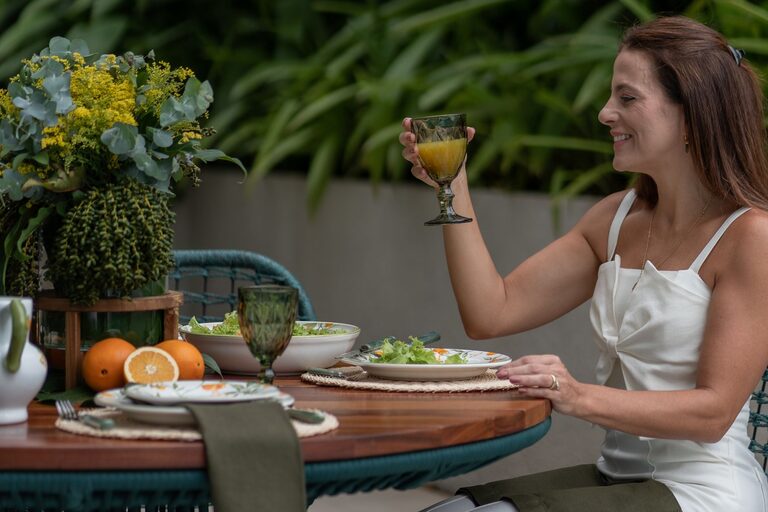
A casual luncheon or hobby gathering does not need a formal dining room setup to feel special. With a few thoughtful choices, you can create a table that is comfortable, practical, and full of personality. The latest table-setting trends focus on relaxed arrangements, reusable pieces, natural textures, and simple details that make guests feel welcome.
Whether you are hosting a book club, crafting afternoon, gardening group, or lunch with friends, these ideas can help you refresh your table without making it feel overly styled.
Start With a Relaxed Foundation
The foundation of your table sets the tone for the entire gathering. Instead of using a perfectly matched tablecloth, consider layering different textures or leaving part of the tabletop visible.
Popular casual foundations include:
– Washed linen table runners
– Woven placemats
– Cotton napkins in soft colors
– Neutral tablecloths with subtle patterns
– Bare wood paired with simple dishware
A runner placed across the center of the table creates definition without covering the entire surface. For a more informal look, use two or three runners placed lengthwise beneath each group of seats. This approach also helps divide a long table into smaller, inviting sections.
If your table has an attractive wood, glass, or painted surface, let it show. A simple arrangement of plates, napkins, and centerpieces can look just as polished as a fully covered table.
Mix, Match, and Coordinate
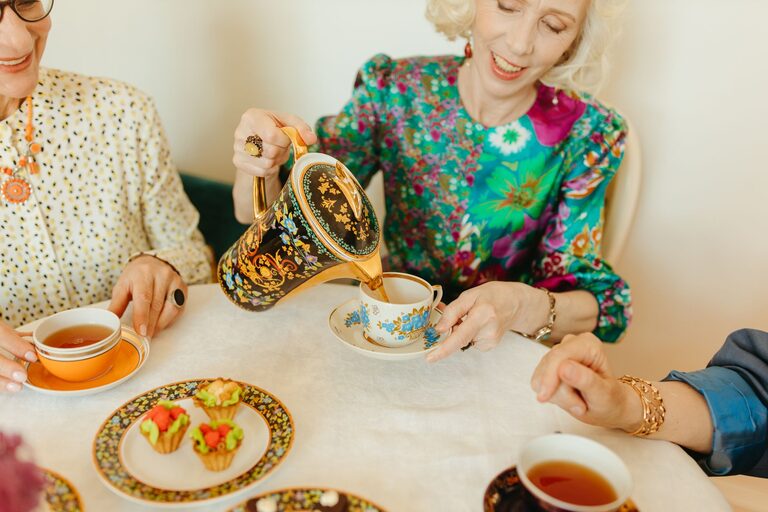
Matching dinnerware can be beautiful, but a casual gathering gives you room to experiment. Mixing pieces can make the table look collected and personal, especially when the colors or materials have one detail in common.
Try combining:
– Solid plates with patterned salad plates
– Clear drinking glasses with colorful tumblers
– Different napkin colors in the same fabric
– Vintage serving pieces with modern dishes
– Ceramic bowls in related shades
To keep the table cohesive, choose a simple color story. For example, combine cream, sage, and natural wood, or use navy, white, and warm tan. The pieces do not need to match exactly as long as they share a similar mood.
This trend is especially useful for hobby gatherings, where the table may need to serve several purposes. A mix of sturdy everyday dishes and attractive serving pieces can create a welcoming setting while remaining easy to use.
Choose Centerpieces That Encourage Conversation
A centerpiece should add interest without blocking the view across the table. Low, compact arrangements work especially well for luncheons and group activities because guests can see one another easily.
Consider these centerpiece ideas:
Small Vases in a Row
Place several small vases down the center of the table instead of using one large arrangement. Fill them with seasonal flowers, leafy branches, or simple garden cuttings. The smaller scale makes it easy to move the vases if guests need more workspace.
A Bowl of Seasonal Items
A wide bowl filled with lemons, apples, pears, or small gourds can add color without requiring much preparation. Choose items that complement your table colors and can be used after the gathering.
Potted Herbs or Small Plants
Potted herbs bring a fresh, natural look to the table. Basil, mint, rosemary, and thyme are attractive options with pleasant scents. Place each pot in a small container or saucer to protect the tabletop.
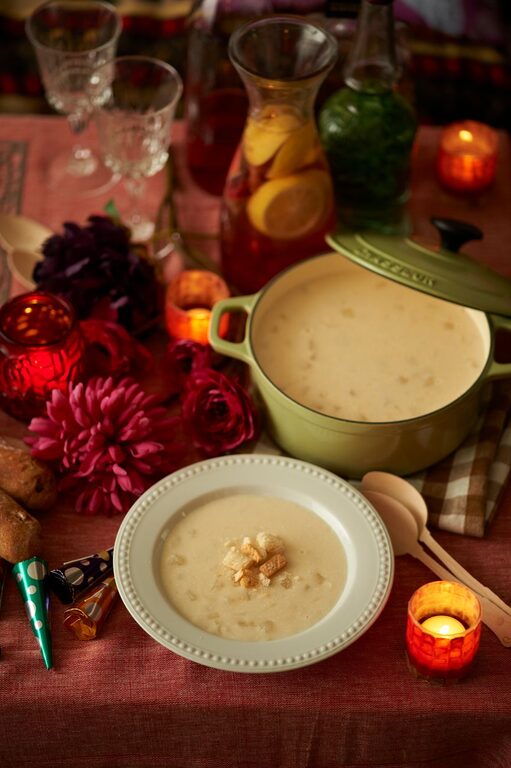
A Collection of Candles
For an afternoon gathering, use short candles in simple holders. Unscented candles are often the best choice around food because they add warmth without competing with the meal.
Use Color in Simple, Flexible Ways
One of the freshest table-setting trends is the use of color in small doses. Rather than choosing brightly colored plates, chairs, napkins, and decorations all at once, select one or two accents.
Easy ways to add color include:
– Bright napkins
– Patterned water glasses
– Colorful flower stems
– Painted place card holders
– A cheerful table runner
– Seasonal fruit in a serving bowl
Soft, nature-inspired colors are especially versatile. Think muted green, pale blue, clay, butter yellow, and warm terracotta. These shades pair well with white dishes and natural materials, making them easy to update throughout the year.
For a more energetic table, use one bold accent color against a neutral foundation. A coral napkin, cobalt glass, or sunny yellow flower can create a focal point without overwhelming the setting.
Make Place Settings Practical
A casual table setting should look inviting while leaving enough space for food, conversation, and activities. Begin with the essentials: a plate, fork, knife, spoon if needed, and a drinking glass. Add extra pieces only when they serve a clear purpose.
For a simple luncheon, place the fork to the left of the plate and the knife to the right, with the blade facing the plate. Set the glass above the knife. Napkins can rest beneath the fork, on the plate, or beside the setting.
If the gathering includes crafting, painting, or another hands-on hobby, keep the place setting flexible. Use washable placemats, sturdy dishes, and easy-to-move centerpieces. A small tray at each end of the table can hold shared supplies, condiments, or utensils.
You can also provide a separate area for coats, bags, and personal items. Keeping these belongings off the dining table makes the space feel more organized and gives guests room to work.
Add Personal Details Without Overdoing It
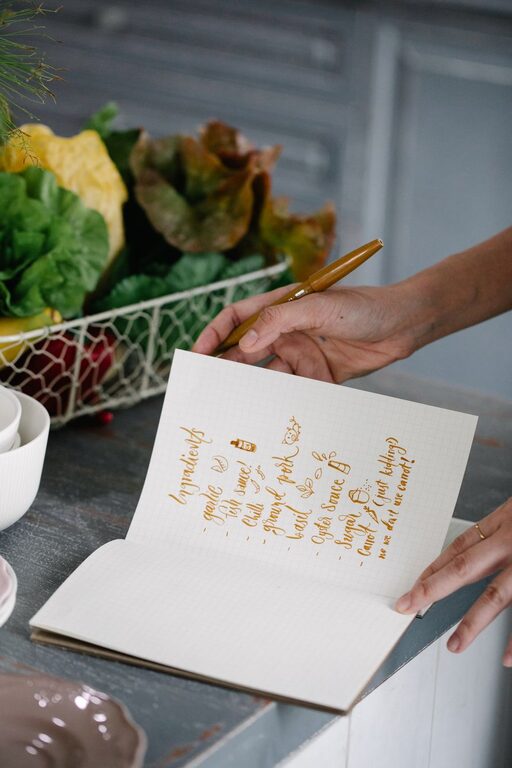
Thoughtful details make a gathering feel planned, but they do not need to be elaborate. A handwritten name card, a small menu, or a short welcome note can add charm with very little effort.
For hobby gatherings, personalize each setting with a small related item. Examples include:
– A seed packet for a gardening group
– A bookmark for a book club
– A small sketch card for an art gathering
– A fabric swatch for a sewing group
– A recipe card for a cooking group
These details can also become conversation starters. Keep them useful or reusable so they do not create unnecessary clutter.
Another simple option is to place a question card at each seat. Guests can answer a light prompt, such as sharing a favorite seasonal activity or a creative project they would like to try.
Bring in Natural and Reusable Materials
Sustainable table styling often begins with using what you already own. Cloth napkins, reusable serving pieces, thrifted vases, and everyday dishes can all create a beautiful setting while reducing waste.
Natural materials add warmth and texture. Try incorporating:
– Woven baskets
– Wooden serving boards
– Cork coasters
– Linen napkins
– Ceramic pitchers
– Dried flowers or branches
Reusable materials are also practical for frequent hosts. A small collection of neutral napkins, versatile serving bowls, and simple candleholders can work for many types of gatherings. Change the look by switching the accent color or centerpiece rather than replacing the entire table setting.
Design for Comfort
The most successful casual tables feel comfortable from the moment guests sit down. Leave enough space between place settings for plates and elbows, and avoid decorations that require constant adjustment.
Think about the full experience:
– Are serving dishes easy to reach?
– Can guests see one another across the table?
– Is there enough room for drinks and personal items?
– Are napkins easy to find?
– Can the table be cleared without disturbing the activity?
A relaxed table does not need to be perfect. Slightly varied napkins, casually arranged flowers, and well-used serving pieces can make the setting feel more inviting than a display that is too precise.
Create a Table That Feels Like You
Fresh table-setting trends are less about following strict rules and more about creating a welcoming atmosphere. Start with a comfortable foundation, mix pieces thoughtfully, add a low centerpiece, and include a few personal touches that suit the occasion.
For a casual luncheon or hobby gathering, the best table is one that supports conversation and connection. When guests can enjoy the food, participate in the activity, and feel at ease, even the simplest setting can make the gathering memorable.