




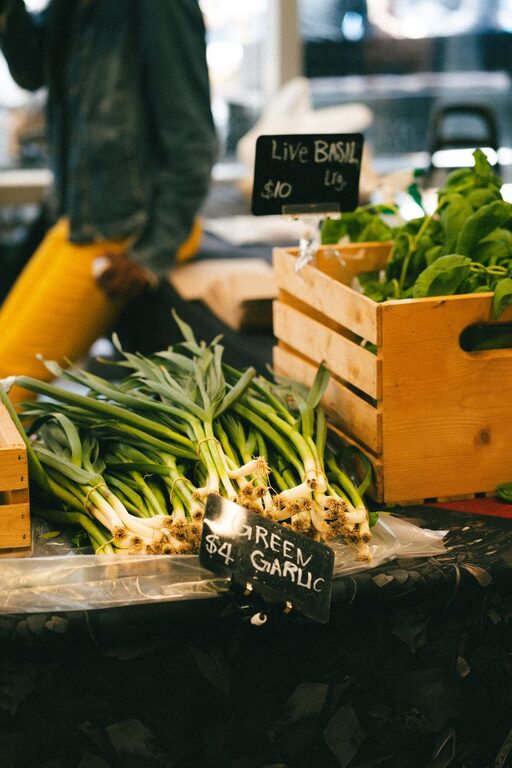
Farmers markets are always changing, but this season brings a fresh mix of cooking ideas. Shoppers are looking beyond familiar recipes and finding new ways to use everyday produce, herbs, beans, grains, and handmade pantry items.
The biggest shift is toward flexible cooking. Instead of planning one exact recipe, home cooks are building meals around what looks best at the market. A bunch of carrots can become a side dish, soup, salad topping, or quick pickle. A basket of tomatoes can turn into breakfast toast, pasta sauce, or a simple chilled soup.
Here are some of the most useful and enjoyable ideas shaping farmers market cooking this season.
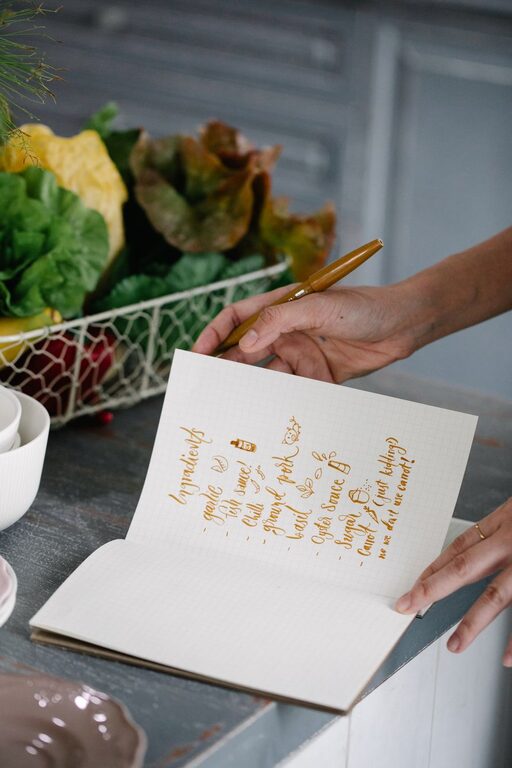
Cook From a Flexible Market List
A rigid shopping list can make it difficult to take advantage of the best produce. This season, many cooks are using a flexible list with broad categories rather than fixed ingredients.
Try planning around:
– One leafy green
– Two or three colorful vegetables
– A seasonal fruit
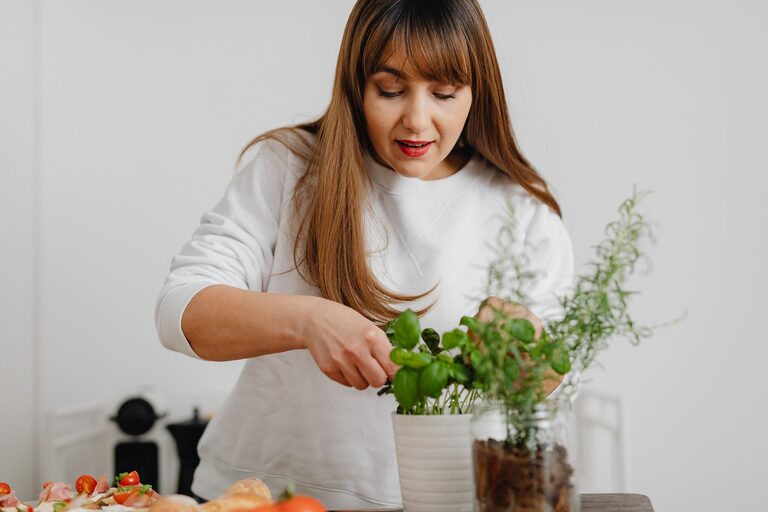
– Fresh herbs
– Eggs, beans, grains, or another filling staple
– A sauce or condiment
– Something that can be preserved
This approach gives you a starting point without limiting your choices. If green beans look better than zucchini, choose the beans. If peaches are not ready, look for berries or plums instead.
Once you get home, group the ingredients by how quickly they should be used. Delicate greens and berries usually come first, while sturdy vegetables such as cabbage, carrots, and beets can wait a few days.
Build Meals Around One Fresh Ingredient
A popular way to simplify seasonal cooking is to make one market ingredient the star of the meal. Everything else supports its flavor and texture.
Try a vegetable-centered plate
Roast or grill a large batch of one vegetable, then serve it in different ways throughout the week. For example:
– Roast carrots with olive oil, salt, and fresh herbs
– Add them to grain bowls with beans and yogurt
– Slice them into a lunch salad
– Blend leftovers into a smooth soup
– Serve them with toasted bread and a simple spread
The same method works with cauliflower, eggplant, sweet peppers, winter squash, or mushrooms. Cooking one main ingredient in a large batch saves time while still leaving room for variety.
Use fruit in more than desserts
Farmers market fruit is also finding its way into savory meals. Try adding sliced peaches to a salad with greens and a mild cheese. Pair apples with roasted vegetables or a grain bowl. Fold fresh berries into a salsa with herbs, citrus, and a little heat.
The goal is not to make every dish sweet. A small amount of fruit can add color, acidity, and contrast to a meal.
Fresh Sauces Make Simple Meals More Interesting
Another major trend is preparing quick sauces that make basic ingredients taste new. A sauce can turn leftover vegetables, grains, or beans into a complete meal.
Market herb sauce
Combine chopped herbs with olive oil, lemon juice, garlic, salt, and a little pepper. Use the mixture over roasted vegetables, grilled bread, eggs, or cooked grains.
Creamy vegetable spread
Blend cooked beans or soft vegetables with olive oil, lemon juice, and seasonings. Serve the spread with raw vegetables, crackers, or toasted bread.
Quick fruit relish
Chop seasonal fruit with onion, herbs, citrus juice, and a pinch of salt. Let it sit for a few minutes, then serve it with roasted vegetables, grilled foods, or beans.
These sauces are easy to adjust. Add more acid for brightness, more oil for a smoother texture, or fresh herbs for a stronger market flavor.
Pickling Is Becoming a Weeknight Habit
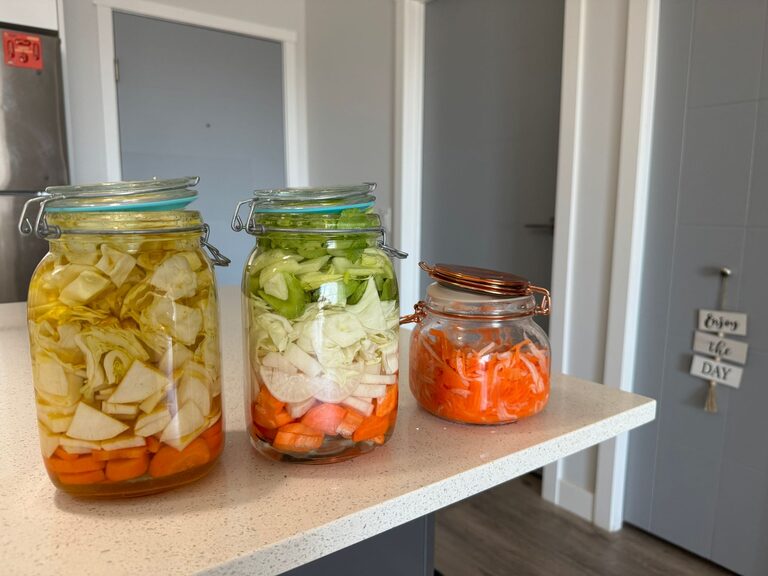
Quick pickling is one of the easiest ways to preserve seasonal produce without special equipment. It also adds a crisp, tangy element to meals.
Good choices for quick pickles include:
– Radishes
– Cucumbers
– Red onions
– Carrots
– Green beans
– Turnips
– Cabbage
A basic brine can be made with equal parts vinegar and water, plus salt and a little sugar if desired. Pour the warm brine over sliced vegetables in a clean container and let them cool. They can often be used after a short rest in the refrigerator.
Add quick pickles to sandwiches, tacos, salads, rice bowls, or simple plates of beans and roasted vegetables. They are also a practical way to use produce that may otherwise go uneaten.
Make Better Use of the Whole Bunch
This season’s cooking also emphasizes using more of each ingredient. Many market vegetables offer useful leaves, stems, tops, or peels.
Try these ideas:
– Sauté beet greens with garlic
– Blend carrot tops into a fresh herb sauce
– Add radish leaves to soup or pesto
– Slice broccoli stems for stir-fries
– Roast squash seeds with salt and spices
– Use herb stems to flavor stocks and sauces
Before using vegetable tops or peels, rinse them well and remove any tough or damaged parts. Some parts are best cooked rather than eaten raw.
Using more of each bunch helps reduce kitchen waste and gives you extra ingredients for soups, sauces, and side dishes.
Add More Grains and Beans to Market Meals
Seasonal vegetables become more satisfying when paired with grains and beans. These ingredients also help create meals that are easy to prepare in advance.
Build a simple bowl with:
- A cooked grain such as rice, farro, quinoa, or barley
- Beans, lentils, eggs, or another protein-rich ingredient
- Two seasonal vegetables
- A fresh sauce or dressing
- A crunchy topping such as seeds, nuts, or toasted breadcrumbs
You can serve the ingredients warm or chilled. Keep the sauce separate if you plan to store the components for several days.
This format works well for lunches because each person can combine the ingredients in a different way. It also makes leftovers feel less repetitive.
Shop for Storage, Not Just Flavor
A successful market trip includes a plan for keeping food fresh. Before shopping, check your refrigerator and use older produce first.
A few simple habits can help:
– Store delicate greens in a breathable bag or container
– Keep berries dry until you are ready to use them
– Remove leafy tops from root vegetables if they wilt quickly
– Store herbs in a jar with a small amount of water
– Keep onions, potatoes, and garlic in a cool, dry place
– Wash produce as needed rather than all at once
It is also helpful to buy one “use soon” item and one sturdy item. For example, pair fresh berries with cabbage, or tender greens with carrots. This gives you ingredients for both immediate meals and later in the week.
Finish With a Simple Market Dessert
Seasonal desserts do not need to be complicated. Fresh fruit can be served with yogurt, whipped cream, toasted oats, or a simple biscuit. You can also bake fruit with a crumb topping made from oats, flour, butter, and a little sugar.
For a no-cook option, layer fruit with yogurt and granola in glasses. Add lemon zest, mint, or toasted nuts for extra flavor.
The best farmers market cooking is adaptable. It makes room for surprises, encourages you to try unfamiliar ingredients, and turns fresh produce into meals that feel personal. This season, start with what looks best, keep your methods simple, and let a few versatile sauces and sides carry you through the week.