A Shared Table for Family Recipes
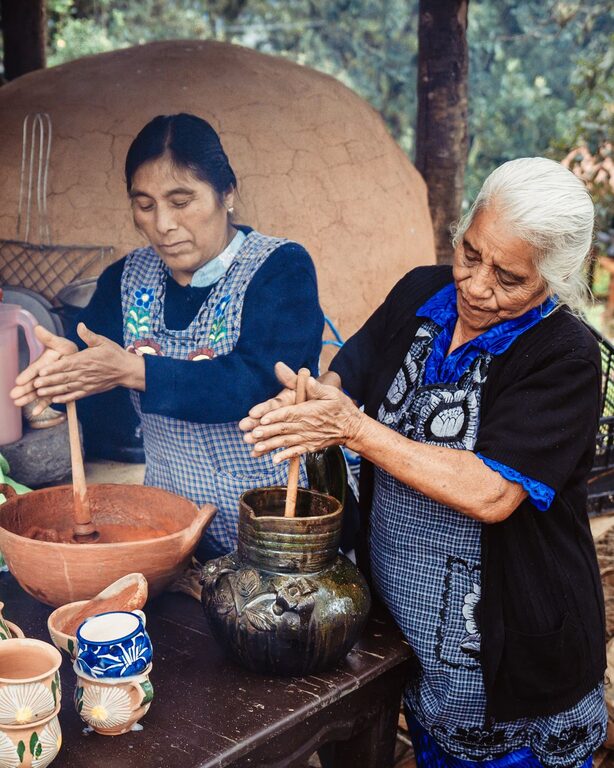
Across many communities, senior women’s cooking clubs are helping preserve recipes that might otherwise disappear. These groups bring together women who carry years of kitchen experience, family stories, and knowledge of local ingredients. By cooking together, they pass regional traditions to younger generations and create a welcoming place for neighbors to connect.
A family recipe is more than a list of ingredients. It can reflect a region’s farming history, seasonal weather, migration patterns, and everyday habits. A handwritten recipe card may describe a holiday dish, a Sunday meal, or a simple way to stretch ingredients during difficult times. Cooking clubs give these recipes a living place in the present.
Why Regional Recipes Need Care and Attention
Many traditional recipes were never written down in full. Instructions such as “add enough flour” or “cook until it looks right” were learned by watching an older relative. As family members move, routines change, and kitchens become less communal, these informal lessons can be lost.
Regional recipes may also be overlooked when food trends focus on newer or more widely known dishes. Yet local recipes often tell a detailed story about a place. A soup may use vegetables that grow well in the area. A bread recipe may reflect local grains. A preserved fruit dish may have developed around a short harvest season.
Cooking clubs help protect this knowledge by:
- Recording oral instructions and family stories
- Teaching cooking methods through demonstrations
- Collecting recipes from different households
- Using local and seasonal ingredients
- Inviting younger cooks to learn and participate
How Cooking Clubs Get Started
A cooking club can begin with a small group of friends, neighbors, or members of a community center. Some clubs meet in a shared kitchen, while others rotate between members’ homes. The setting matters less than the group’s commitment to cooking, documenting, and sharing.
Many clubs choose a theme for each meeting. One gathering might focus on holiday baking, while another explores soups, preserved foods, or regional breakfast dishes. Members can bring a recipe connected to the theme and explain who taught it to them.
A simple meeting may include:
- A short conversation about the featured dish
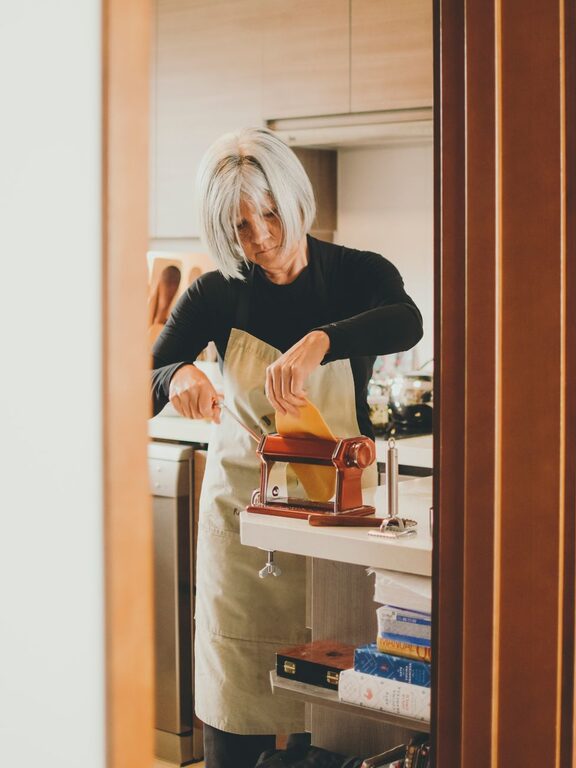
- A demonstration of key techniques
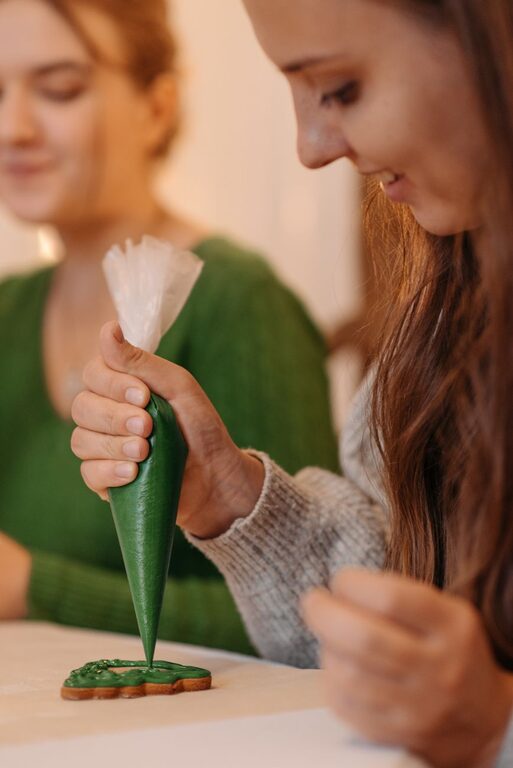
- Hands-on preparation by the group
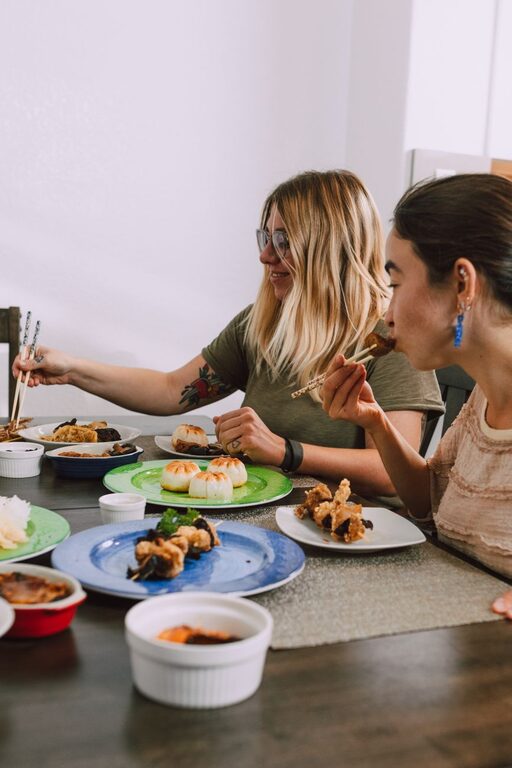
- A shared meal or tasting
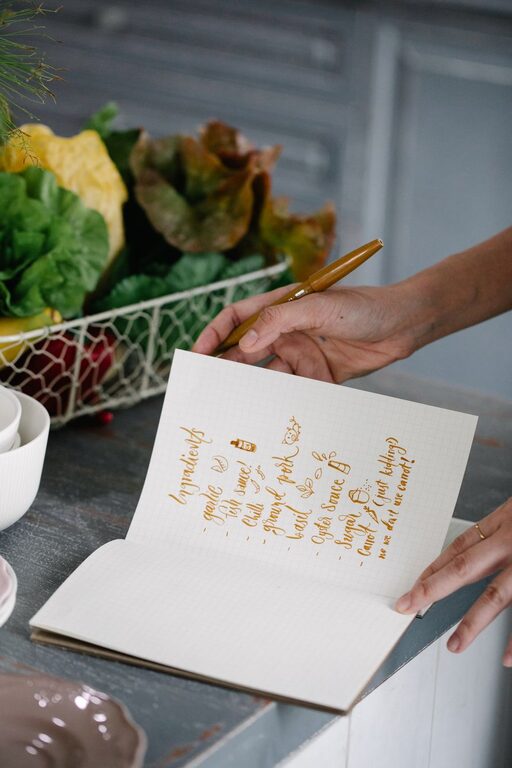
- Time to write down notes and personal memories
This structure keeps meetings organized while leaving room for conversation. The storytelling is often just as valuable as the cooking itself.
Preserving More Than Ingredients
When members share a recipe, they often share memories connected to it. A cake may remind someone of a grandparent’s birthday. A stew may be associated with a busy harvest season. A particular spice blend may recall a family home that no longer exists.
These stories provide context that a cookbook alone cannot capture. Clubs can record details such as:
- The occasion when the dish was traditionally served
- The original cooking tools used
- Seasonal changes to the recipe
- Common substitutions made by earlier cooks
- Names of relatives or community members connected to the dish
This information helps future cooks understand how a recipe fits into daily life. It also makes the collection more personal and engaging.
Teaching by Demonstration
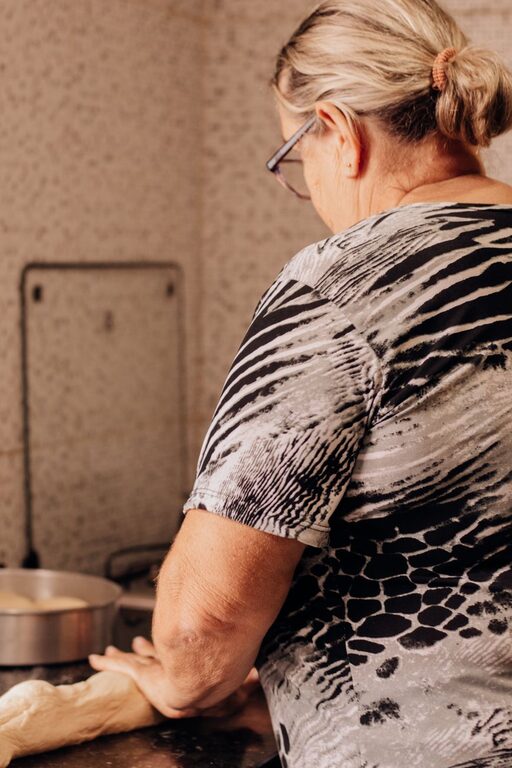
Traditional cooking often depends on touch, smell, timing, and appearance. A recipe may say to knead dough until smooth, but a demonstration shows what “smooth” means. A written instruction may recommend browning onions, while a hands-on lesson helps learners recognize the right color and aroma.
Senior members bring practical knowledge that comes from repeated experience. They may know how to adjust a recipe for humid weather, how to use an older type of stove, or how to tell when a preserve has reached the correct consistency. These lessons are difficult to learn from a recipe card alone.
Demonstrations also make cooking less intimidating. Younger participants can ask questions, practice techniques, and learn that small mistakes are a normal part of becoming a confident cook.
Building Connections Across Generations
Many clubs invite grandchildren, students, young families, or local food groups to attend selected meetings. This creates an informal exchange of knowledge. Older cooks teach traditional methods, while younger participants may offer help with photography, recipe typing, or digital organization.
The relationship works best when every generation is treated as a contributor. Younger cooks may suggest ways to present a dish, while senior members explain its history and purpose. Together, they can adapt a recipe without losing its identity.
For example, a club might prepare an old family casserole and document both the original version and a modern variation. The traditional recipe remains part of the record, while the updated version helps more people enjoy it today.
Creating a Community Recipe Archive
Cooking clubs often preserve their work in a shared recipe collection. This may be a printed booklet, a community website, a photo archive, or a set of recorded interviews. The format can be simple, as long as the information is clear and easy to access.
A useful recipe archive should include:
- The name of the dish
- A list of ingredients with practical measurements
- Step-by-step preparation instructions
- Cooking time and temperature when relevant
- The recipe’s region or family connection
- A short story or note from the contributor
- Photographs of the finished dish or preparation process
It is also helpful to record alternate names and ingredient substitutions. Regional dishes may be known by different names in nearby towns, and families may prepare the same dish in slightly different ways.
Making Meetings Welcoming and Sustainable
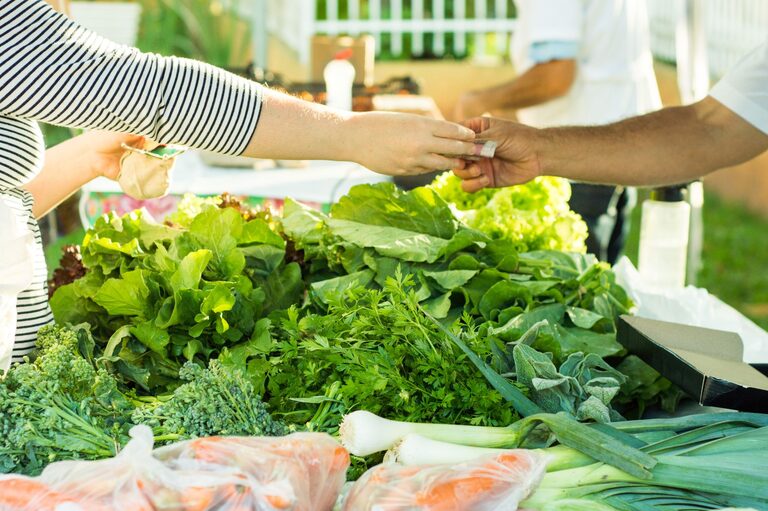
A successful club does not need expensive equipment or a large budget. Members can share ingredients, request donations from local markets, or choose recipes that use affordable seasonal foods. Clear planning helps prevent waste and makes participation easier.
Clubs can also make meetings more accessible by offering noncooking roles. Members might collect stories, label photographs, organize recipes, prepare tables, or welcome guests. This allows people with different abilities and energy levels to contribute.
A few practical ideas include:
- Choose one or two recipes per meeting
- Share ingredient lists in advance
- Use large-print recipe handouts
- Set aside time for cleanup
- Keep a record of each meeting
- Review recipes for clear, consistent instructions
These small steps help the club remain enjoyable rather than becoming a source of pressure.
A Living Tradition for the Future
Senior women’s cooking clubs show that recipe preservation is not limited to museums or formal archives. It can happen in a community kitchen, around a dining table, or during a relaxed afternoon of baking. Each meeting keeps regional food traditions active by connecting memory with practice.
The most meaningful result is not simply a collection of recipes. It is a network of people who value local knowledge and make time to share it. When an older cook teaches someone how to shape dough, season a stew, or prepare a holiday dish, a family tradition gains another chapter.
By combining conversation, documentation, and hands-on cooking, these clubs ensure that regional recipes continue to be made, understood, and enjoyed. Their work reminds us that preserving food heritage begins with a simple invitation: come into the kitchen and cook together.