

Learning to make fresh pasta can be a relaxing, rewarding activity at any age. For women 65 and older, a beginner-friendly pasta workshop offers more than a cooking lesson. It creates an opportunity to try something new, meet other people, and enjoy the simple pleasure of preparing food by hand.
These workshops are designed for all skill levels. No previous kitchen experience is needed, and participants can learn at a comfortable pace. With clear instructions, helpful guidance, and a welcoming atmosphere, making pasta becomes an enjoyable experience rather than a difficult task.
Why Join a Pasta-Making Workshop?
Fresh pasta may look complicated, but the basic ingredients are simple. Most traditional pasta recipes begin with flour, eggs, water, and a little patience. A workshop breaks the process into manageable steps, allowing beginners to learn without feeling rushed.
Learn a Practical New Skill
A pasta workshop teaches useful kitchen skills that can be practiced at home. Participants learn how to mix dough, knead it, roll it thin, and shape it into different styles. They may also discover how to prepare simple sauces that pair well with fresh pasta.
The hands-on format makes learning easier. Instead of reading instructions alone, participants can watch a demonstration and then try each step with support nearby.
Enjoy a Social Activity
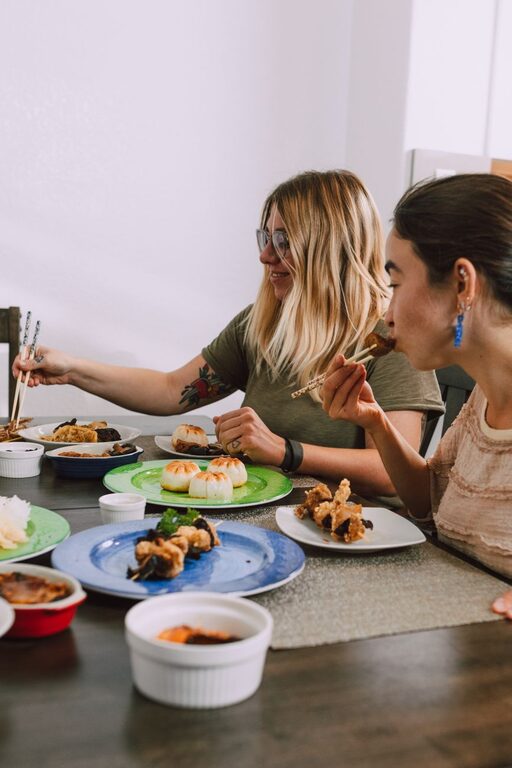
Cooking is often more enjoyable when shared with others. Workshops provide a friendly setting where participants can chat, exchange stories, and work together. The class may include small groups or shared tables, making it easy to meet people with similar interests.
For many attendees, the social side of the workshop is just as valuable as the recipe. A relaxed class can become a regular outing or the start of new friendships.
Build Confidence in the Kitchen
Trying an unfamiliar recipe can feel intimidating, especially when it involves special equipment or unfamiliar techniques. A supportive instructor can show participants that mistakes are a normal part of learning.
If the dough is too dry, too sticky, or unevenly rolled, the instructor can explain how to adjust it. These small lessons help beginners feel more comfortable experimenting at home.
What Happens in a Beginner Pasta Class?
Every workshop is a little different, but most follow a simple and organized structure. A typical class may last two to three hours, including time for preparation, cooking, and tasting.
1. Welcome and Demonstration
The instructor usually begins by introducing the ingredients and tools. Participants learn how to measure flour, add liquid, and bring the dough together.
A short demonstration helps everyone understand the process before beginning. The instructor may also explain common mistakes and offer tips for working at a steady pace.
2. Mixing and Kneading the Dough
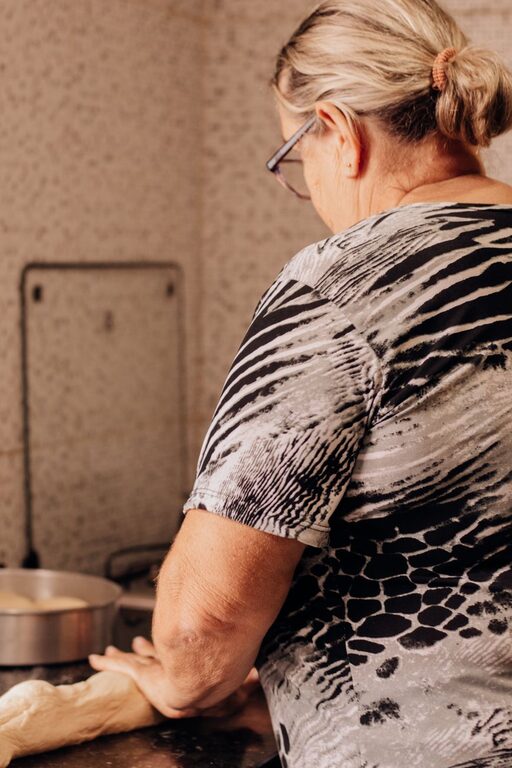
Participants then create their own dough or work in pairs. Kneading helps develop the dough’s texture and gives beginners a chance to become familiar with it.
The goal is not perfection. The instructor can help each person recognize when the dough is ready to rest. A short resting period makes the dough easier to roll and shape.
3. Rolling and Shaping
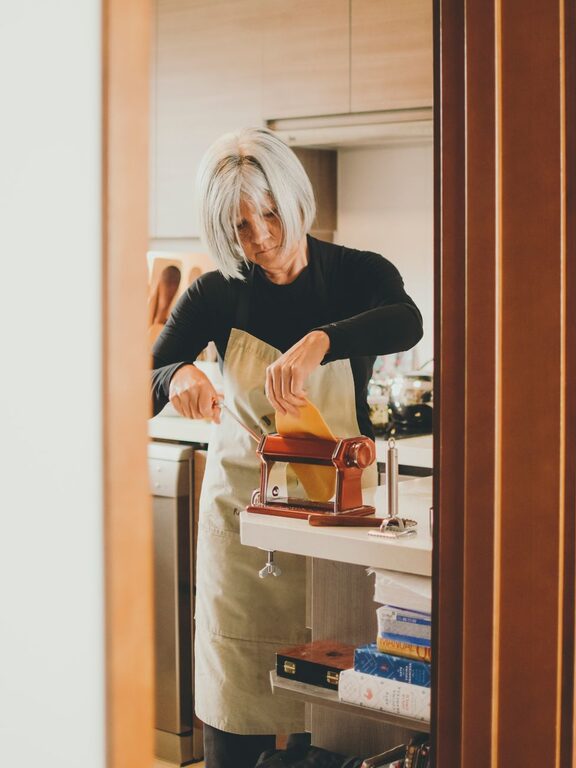
Once the dough has rested, participants roll it by hand or use a pasta machine with guidance. Beginners may start with an easy shape, such as fettuccine, tagliatelle, or simple filled pasta.
Some workshops offer several shaping options. This allows participants to choose a style that matches their interests and comfort level.
4. Cooking and Tasting
The final step is cooking the pasta and serving it with a simple sauce. Many classes prepare a fresh tomato sauce, butter and herb sauce, or light cheese sauce.
Tasting the finished dish is often the highlight of the session. Participants can enjoy the results of their work and discuss what they learned.
Features of an Accessible Workshop
A well-planned workshop should be comfortable, welcoming, and easy to follow. When choosing a class, look for features that support a positive experience.
Comfortable Seating and Work Areas
Pasta making involves standing, rolling, and working at a table. A good venue should offer comfortable seating and enough space for participants to move between activities.
Adjustable work areas or the option to complete some steps while seated can make the class more enjoyable. It is also helpful when ingredients and tools are placed within easy reach.
Clear, Step-by-Step Instructions
Instructors should explain each stage slowly and clearly. Written recipe cards, large-print instructions, and demonstrations from different angles can help participants follow along.
A small class size may provide more opportunities to ask questions and receive individual guidance.
Simple Tools
Beginners do not need a large collection of kitchen equipment. A workshop may use mixing bowls, forks, rolling pins, knives, and pasta cutters. If a pasta machine is included, the instructor should explain how to use it carefully.
Participants should be told which tools are provided and which, if any, they need to bring.
A Comfortable Pace
A beginner class should allow enough time to complete each step without pressure. Participants may have different levels of experience, so flexibility is important.
The best workshops focus on learning and enjoyment rather than speed or competition.
Tips for Preparing for Your First Workshop
A little preparation can make the experience smoother and more enjoyable.
– Wear comfortable clothing and shoes.
– Choose sleeves that can be rolled up easily.
– Bring reading glasses if needed for recipes or instructions.
– Ask whether an apron is provided.
– Let the instructor know about food preferences or ingredient concerns in advance.
– Bring a container if the workshop allows participants to take pasta home.
– Arrive a few minutes early to become familiar with the space.
It can also help to keep expectations realistic. Homemade pasta may not look perfect on the first try, and that is completely normal. Each batch offers a chance to learn.
Ideas for Making the Experience More Personal
Pasta workshops can be adapted to different interests and traditions. Some classes focus on regional recipes, while others explore creative shapes, sauces, or fillings.
Participants may enjoy sharing family recipes or stories about meals they have prepared over the years. A workshop could also include a recipe exchange, a small tasting table, or a printed guide for practicing at home.
For those who prefer a quieter experience, a small group class may be a better choice. Others may enjoy a lively community event with music and shared conversation.
Continuing the Hobby at Home
After the workshop, participants can continue practicing with a few basic ingredients and tools. Starting with the same recipe used in class makes it easier to remember the steps.
Simple ideas include:
– Making a fresh batch for a family meal
– Trying a different pasta shape
– Preparing a new sauce
– Inviting a friend to cook together
– Keeping notes about what worked well
– Freezing extra pasta when appropriate
The aim is to make cooking enjoyable and manageable. There is no need to create elaborate meals every time. Even a small serving of handmade pasta can make an ordinary dinner feel special.
A Welcoming Way to Try Something New
Beginner-friendly pasta-making workshops offer women 65 and older a chance to learn, connect, and create something delicious. With patient instruction, accessible workspaces, and plenty of encouragement, participants can discover that fresh pasta is within reach.
Whether the goal is to develop a new hobby, enjoy a social outing, or prepare a memorable meal, a pasta workshop provides a warm and practical place to begin.