



Fresh herbs can bring color, fragrance, and flavor to your kitchen, but they can also become the starting point for a calming and creative hobby. You do not need a large garden or advanced cooking skills to enjoy them. A sunny windowsill, a few containers, and a little curiosity are enough to begin.
Working with herbs invites you to slow down and focus on small details. You can enjoy the scent of basil while preparing dinner, arrange colorful leaves for drying, or experiment with a simple homemade seasoning blend. Here are several enjoyable ways to turn fresh herbs into a relaxing kitchen routine.
Start a Small Indoor Herb Garden
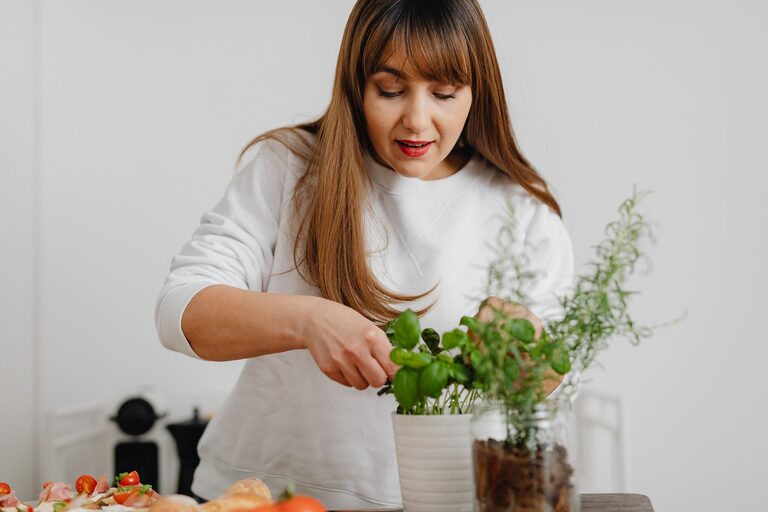
Growing herbs indoors is one of the easiest ways to make them part of your daily life. Choose a bright windowsill or another spot with plenty of natural light. If your kitchen does not receive enough sunlight, place the plants in a nearby room where they can thrive.
Begin with two or three easy-to-find herbs, such as:
– Basil
– Mint
– Chives
– Parsley
– Thyme
– Oregano
– Rosemary
Use containers with drainage holes and place a small tray underneath to catch excess water. Label each pot with the herb’s name and the date you planted it. Simple labels can make the garden feel more personal and help you remember when each plant was started.
Make caring for the plants part of a gentle routine. Check the soil, remove dry leaves, and rotate the pots occasionally so the plants receive even light. These small tasks can provide a pleasant break from screens and busy schedules.
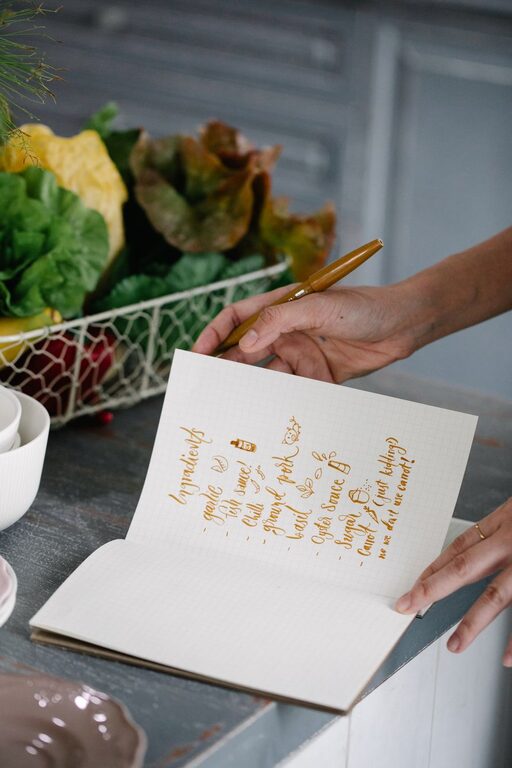
Create an Herb Observation Journal
A journal can turn ordinary plant care into a thoughtful hobby. You do not need to write long entries. A few notes, sketches, or photographs are enough.
Record details such as:
– When new leaves appear
– Which herbs grow fastest
– How the plants change after trimming
– Which scents you enjoy most
– Recipes that use each herb
– Ideas for future herb projects
You can also create a simple weekly drawing of your plants. Sketching leaves encourages you to notice their shapes, textures, and colors. If drawing is not your style, take one photograph each week and create a visual record of your indoor garden.
Over time, the journal becomes a personal collection of growing notes and kitchen ideas. It can also help you learn which herbs suit your space and cooking habits.
Make Fresh Herb Butter
Herb butter is a simple project that combines preparation, creativity, and flavor. Let a stick of unsalted butter soften at room temperature, then mix it with finely chopped herbs.
Try combinations such as:
– Parsley and chives
– Rosemary and garlic
– Basil and lemon zest
– Thyme and black pepper
Spoon the mixture onto parchment paper, shape it into a small log, and chill it until firm. Slice off a little whenever you want to add flavor to bread, vegetables, rice, or cooked pasta.
For a more creative approach, form the butter into small rounds using a silicone mold or ice cube tray. The individual portions are convenient and can make an ordinary meal feel more special.
Always use clean utensils and store the finished butter in the refrigerator. If you make more than you can use soon, label it with the date and freeze it in a sealed container.
Dry Herbs for Homemade Seasoning Blends
Drying herbs allows you to enjoy them after the growing season and creates a hands-on project with a useful result. Begin by rinsing the herbs gently and patting them dry. Remove any damaged leaves, then spread the herbs in a single layer on a clean rack or baking sheet.
You can air-dry small bunches by tying the stems together and hanging them in a dry, well-ventilated place away from direct sunlight. Once the leaves feel crisp, crumble them and store them in airtight jars.
Use your dried herbs to create custom blends, such as:
Everyday Green Blend
Combine dried parsley, oregano, basil, and chives. This blend works well in soups, sauces, roasted vegetables, and pasta dishes.
Cozy Roast Blend
Mix rosemary, thyme, sage, and black pepper. Use it to season potatoes, beans, or roasted vegetables.
Simple Pizza Blend
Combine oregano, basil, marjoram, and a small amount of dried chili if you enjoy gentle heat. Sprinkle it over pizza, flatbread, or tomato-based dishes.
Label each jar with the ingredients and date. Decorating the labels can become part of the hobby, especially if you enjoy handwriting, drawing, or simple craft projects.
Make Herb-Infused Vinegar
Herb-infused vinegar is another attractive and practical project. Choose a clean glass jar and add fresh herbs such as rosemary, thyme, tarragon, or basil. Pour vinegar over the herbs, close the jar, and let it sit in a cool, dark place while the flavor develops.
After several days, taste the vinegar. If the flavor is strong enough, strain out the herbs and transfer the vinegar to a clean bottle. Add a fresh sprig for decoration if desired.
Use the finished vinegar in salad dressings, marinades, or simple vegetable dishes. White wine vinegar and apple cider vinegar are popular choices because their flavors pair well with many herbs.
For food safety, use clean containers and utensils, keep notes about when you made the vinegar, and discard it if you notice an unusual smell, appearance, or texture.
Prepare Herb-Filled Ice Cubes
Herb ice cubes are a fun way to preserve small amounts of fresh herbs. Chop basil, mint, parsley, or cilantro and place the pieces in an ice cube tray. Fill the tray with water and freeze.
You can add the cubes to sparkling water, iced tea, soups, or sauces. Mint cubes are especially appealing in cold drinks, while basil or parsley cubes can be added to recipes while cooking.
For a decorative touch, include small edible flowers or thin slices of lemon. This project is quick, colorful, and ideal for using herbs that might otherwise go unused.
Host a Small Herb Tasting
Turn your kitchen hobby into a shared experience by organizing a casual herb tasting. Place several fresh herbs on small plates and invite friends or family to smell and compare them.
Offer simple foods such as:
– Plain bread
– Cooked rice
– Sliced tomatoes
– Roasted vegetables
– Mild cheese
– Crackers
Ask everyone to describe the herbs using their own words. Some may notice citrus-like notes, while others may focus on earthy, sweet, or peppery flavors. There are no right or wrong answers. The goal is to pay attention and enjoy the experience.
You can also make small herb cards with the plant name, growing notes, and favorite uses. This adds a creative element and gives guests something useful to take home.
Build a Relaxing Herb Routine
The most enjoyable herb hobby is one that fits naturally into your life. Set aside a few minutes once or twice a week to water plants, harvest leaves, prepare a blend, or update your journal.
Keep your supplies together in a small basket or drawer. Include scissors, labels, string, jars, and a notebook so each project is easy to begin. Choose activities based on your mood. On a busy day, simply smelling and trimming your plants may be enough. When you have more time, try drying herbs, testing a recipe, or creating a new seasoning blend.
Fresh herbs offer many small opportunities to pause, make something by hand, and enjoy the everyday rhythm of the kitchen. With a few plants and simple projects, cooking and gardening can become a relaxing hobby that continues throughout the year.