




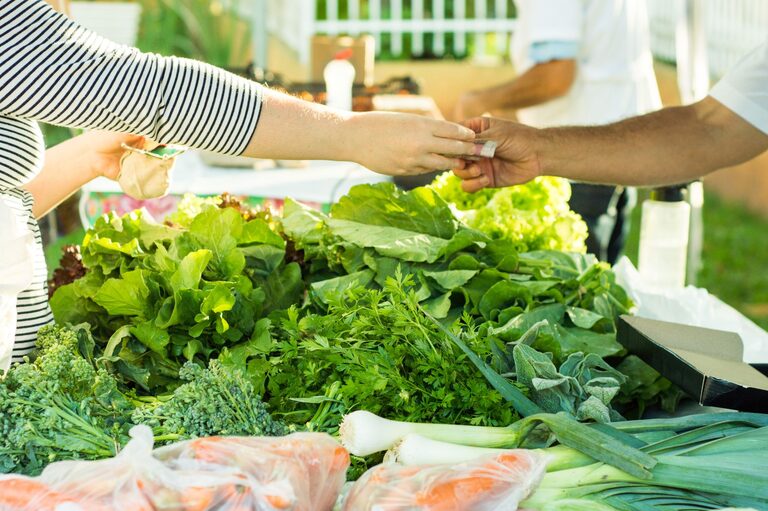
Community gardens do more than turn empty lots into productive green spaces. They create places where neighbors meet, learn from one another, and share the rewards of growing food. One of the most enjoyable results is the rise of fresh recipe swaps.
A recipe swap can be as simple as trading a favorite salad idea for a new way to cook zucchini. It may also involve handwritten recipe cards, community potlucks, group cooking sessions, or online exchanges organized by garden members. In each case, the garden provides the inspiration and the harvest provides the main ingredient.
Why Community Gardens Encourage Recipe Sharing
Community gardens often produce a wide variety of fruits, vegetables, herbs, and edible flowers. Since each gardener may grow something different, the harvest naturally creates opportunities for sharing.
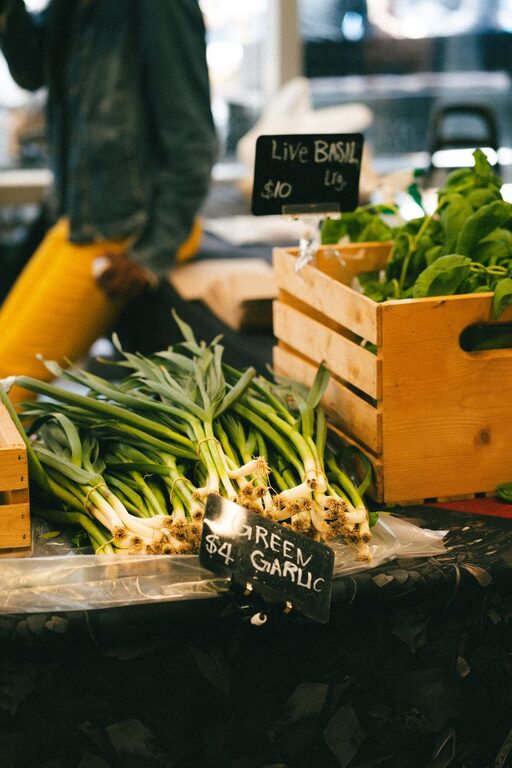
One person may have more tomatoes than they can use, while another has a large supply of basil, green beans, or cucumbers. Instead of letting extra produce go unused, gardeners can exchange ingredients and ideas.
These swaps also make cooking feel more approachable. Garden members can learn how to prepare unfamiliar vegetables by asking someone who has grown them before. A simple conversation about planting can quickly turn into a discussion about roasting, grilling, pickling, blending, or baking.
Recipe swaps often help people:
– Discover new ingredients
– Use seasonal produce in creative ways
– Reduce food waste
– Build connections with neighbors
– Learn practical cooking techniques
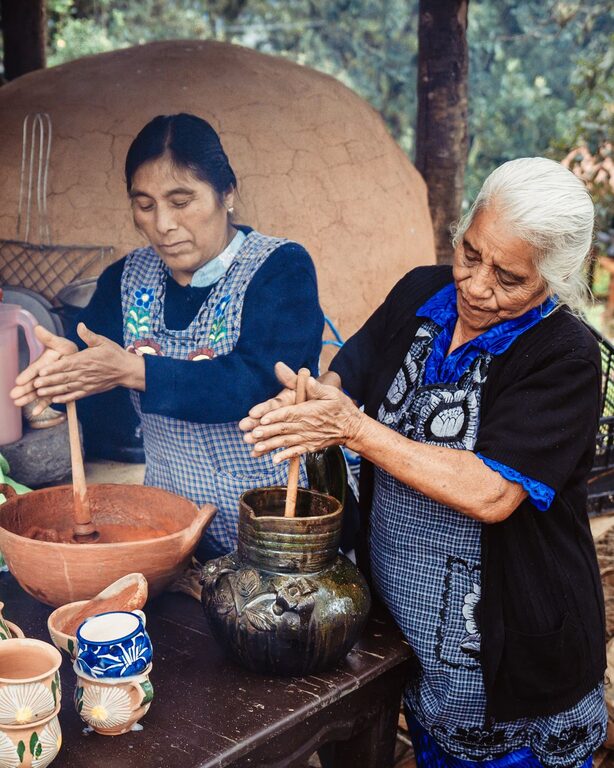
– Preserve family and cultural food traditions
Seasonal Harvests Lead to Seasonal Recipes
The best recipe swaps usually follow the rhythm of the garden. Spring greens may inspire fresh salads and simple soups, while summer tomatoes, peppers, and squash can become the foundation for colorful side dishes.
In the fall, gardeners may exchange recipes featuring pumpkins, root vegetables, apples, and hearty greens. Winter garden projects, such as stored produce or indoor herbs, can inspire warming meals and simple sauces.
Cooking with seasonal ingredients has a practical advantage: gardeners are working with produce when it is most available. This encourages recipes that use a few fresh ingredients rather than long lists of specialty items.
Spring Recipe Ideas
Spring harvests often include lettuce, spinach, radishes, peas, herbs, and tender onions. Recipe swaps might include:
– Herb and pea pasta
– Radish and cucumber salad
– Spring greens with a simple vinaigrette
– Spinach and herb flatbread
– Chilled pea soup
These dishes are easy to adjust based on what is growing. A recipe calling for parsley might also work with cilantro, dill, or chives.
Summer Recipe Ideas
Summer gardens often produce more food at once, making this season especially active for recipe exchanges. Tomatoes, zucchini, eggplant, peppers, beans, and fresh herbs can be used in many ways.
Popular swap ideas include:
– Tomato and basil toast
– Grilled vegetable skewers
– Zucchini fritters
– Fresh salsa
– Stuffed bell peppers
– Green bean salad
– Homemade herb sauces
A gardener with an abundance of cherry tomatoes might trade them for a jar of salsa or a bundle of fresh herbs. These informal exchanges can introduce people to recipes they may not have tried on their own.
Fall Recipe Ideas
Fall harvests invite recipes that are comforting and easy to share. Gardeners may exchange ideas for roasted vegetables, vegetable soups, savory pies, and fruit-based desserts.
Common ingredients include:
– Carrots
– Beets
– Sweet potatoes
– Winter squash
– Apples
– Kale
– Cabbage
A roasted root vegetable recipe can be adapted with whatever is available. One cook may use carrots and beets, while another adds parsnips or sweet potatoes. The basic method stays the same, but each version reflects the gardener’s harvest.
How to Organize a Garden Recipe Swap
A community garden does not need a large budget or formal structure to start a recipe exchange. A small table, a few containers, and some willing participants may be enough.
Here are several simple approaches:
Set Up a Recipe Board
Place a weatherproof board or covered notice area near the garden entrance. Gardeners can post recipe cards, ingredient suggestions, and questions.
Useful prompts might include:
– What are you harvesting this week?
– How do you use extra zucchini?
– Which herbs work well together?
– What is your favorite no-cook recipe?
– What can be frozen or preserved?
A recipe board allows people to contribute at their convenience and keeps ideas visible throughout the growing season.
Host a Seasonal Potluck
A potluck gives gardeners a chance to taste recipes and talk about how they were prepared. To keep the event organized, invite participants to label each dish with its name and main ingredients.
A seasonal theme can make planning easier. For example, a summer potluck might focus on tomatoes and herbs, while a fall gathering could highlight squash and root vegetables.
Potlucks also provide useful feedback. Guests can explain which substitutions worked, how long a dish took to prepare, and whether it can be made ahead of time.
Create Ingredient Exchange Baskets
A shared basket can be placed in a central location for extra produce. Gardeners can add what they have in abundance and take what they need.
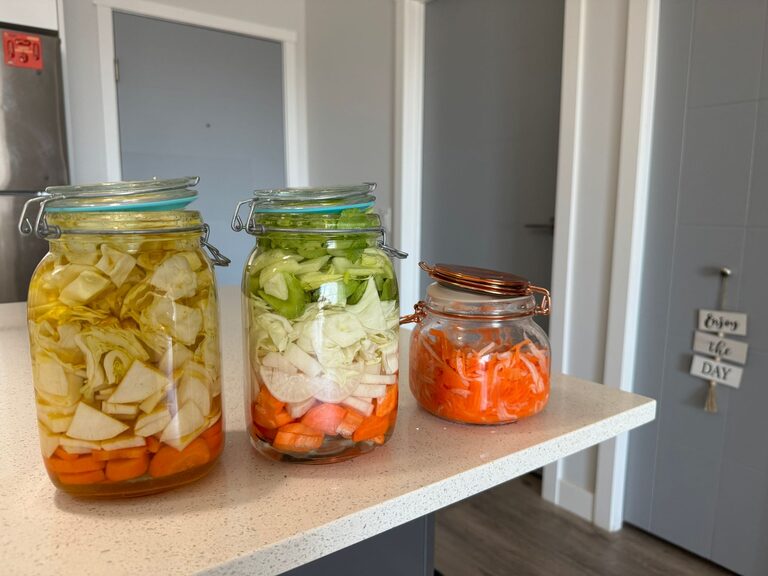
To connect the ingredients with recipes, include a small card beside the basket. For example, a basket of cucumbers might include a quick pickle recipe or a cucumber salad suggestion.
Clear guidelines help keep the exchange useful:
– Share clean, good-quality produce
– Label unfamiliar items
– Avoid leaving food in unsuitable conditions
– Take only what you can use
– Add a recipe whenever possible
Making Recipe Swaps More Inclusive
A successful recipe exchange welcomes different cooking styles, budgets, skill levels, and cultural traditions. Not everyone has the same equipment, time, or access to ingredients.
Encourage recipes that include flexible options, such as stovetop, oven, and no-cook methods. It is also helpful to suggest substitutions and explain which steps are optional.
Instead of presenting one recipe as the only correct method, gardeners can share what works for them. A family tomato sauce, for example, may have many versions. One person may add roasted peppers, while another uses fresh herbs or a small amount of spice.
Recipe cards can be made more helpful by including:
– Preparation and cooking time
– Number of servings
– Simple substitutions
– Storage suggestions
– Basic equipment needed
– Notes about texture or flavor
These details make it easier for new cooks to participate and adapt recipes to their own kitchens.
Turning Extra Harvests Into Lasting Traditions
Recipe swaps can become one of the most memorable parts of a community garden. Over time, repeated exchanges may lead to a shared cookbook, annual harvest dinner, or collection of favorite family recipes.
A garden cookbook could include a section for each season, along with short notes from the people who contributed. Photos of the garden, growing tips, and stories about how recipes were discovered can make the project more personal.
The most important part is not creating perfect dishes. It is creating a space where people can share what they know and make good use of what they grow. A simple bunch of herbs or a basket of tomatoes can start a conversation, inspire a new meal, and strengthen connections among neighbors.
Community gardens show that fresh ideas often grow from shared resources. When gardeners exchange recipes along with their harvests, they help make seasonal cooking more creative, practical, and social.