A New Home for Classic Dessert Recipes
Classic desserts have always been more than something sweet to serve after a meal. A handwritten pie recipe, a favorite cookie method, or a special cake can carry memories of family gatherings, holidays, and everyday celebrations. Today, many older women are sharing these recipes through online cooking groups, giving traditional desserts a fresh place in modern kitchens.
These groups can be found on social media platforms, recipe websites, forums, and video-sharing channels. Members post recipes, answer questions, compare techniques, and share photos of their results. Some groups focus on a particular type of baking, such as bread, cakes, or pies. Others welcome a wide range of family recipes.
For many participants, joining an online cooking group is a simple way to stay connected while contributing knowledge that has been gathered over decades.
Why Classic Recipes Matter
A classic dessert often reflects the ingredients, tools, and cooking habits of a particular time and place. Recipes may have been passed from a parent to a child, copied from a community cookbook, or adjusted over the years to suit a family’s tastes.
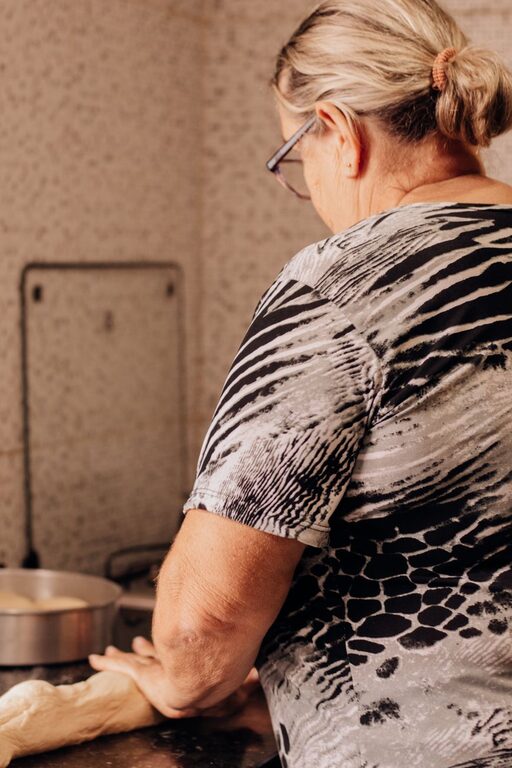
Older home bakers frequently remember details that are not included in written recipes. They may know how dough should feel when it is ready, how to tell when a custard has set, or why a cake needs to cool before it is decorated. Sharing these details helps preserve the practical side of cooking.
Classic recipes also offer a connection between generations. A young baker may discover a grandmother’s favorite spice cake through an online post. Another person may learn how to make a fruit pie using a method that has been used in the same family for decades.
How Online Cooking Groups Encourage Sharing
Online groups make recipe sharing easy and interactive. A member can upload a recipe, explain its history, and receive questions from people who want to try it.
Common types of posts include:
- A typed version of a handwritten family recipe
- Step-by-step photos of a baking process
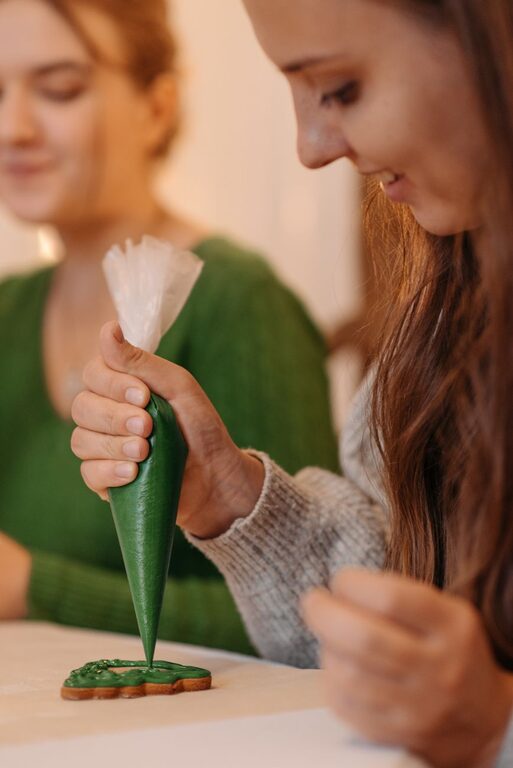
- Short videos showing mixing, shaping, or decorating techniques
- Helpful substitutions for common ingredients
- Photos of finished desserts from group members
- Stories about when and why a recipe was first made
This format allows a recipe to grow through conversation. Someone may ask whether a certain pan size can be used, while another member may suggest a different baking time for a newer oven. The original recipe remains important, but the discussion makes it easier for more people to use.
Teaching Techniques That Are Hard to Write Down
Many traditional recipes were created before precise measuring became common in home kitchens. Instructions such as “add enough flour,” “bake until done,” or “mix until smooth” can be difficult for beginners to understand.
Online cooking groups give experienced bakers a chance to explain these phrases. They may describe the appearance of a properly mixed batter or show how a pie crust should look before it goes into the oven. A video can demonstrate a technique that would take several paragraphs to explain.
Older women who have been baking for many years often offer practical guidance on:
- Keeping pastry tender instead of overworking the dough
- Testing cakes with a toothpick or gentle touch
- Measuring ingredients consistently
- Preventing cookies from spreading too much
- Adjusting recipes for different pan sizes
- Storing desserts so they stay fresh
This type of instruction is especially valuable because it combines written directions with experience. Beginners can ask questions without feeling embarrassed, and experienced bakers can share knowledge in a welcoming setting.
Updating Recipes Without Losing Their Character
Sharing a classic dessert online does not always mean making it exactly as it was prepared in the past. Many group members enjoy discussing small changes that fit today’s kitchens and preferences.
For example, a baker might suggest using a stand mixer instead of a wooden spoon, replacing a hard-to-find ingredient, or dividing a large recipe into smaller portions. Others may discuss how to use different types of ovens or bake at a higher elevation.
These updates can make older recipes easier to use while preserving their main qualities. The texture, flavor, and preparation style remain recognizable, even when the tools or ingredients change.
Some bakers also post two versions of a recipe: the original family method and a modern adaptation. This approach respects the history of the dessert while helping new cooks prepare it with the equipment they have at home.
Building Connections Through Baking
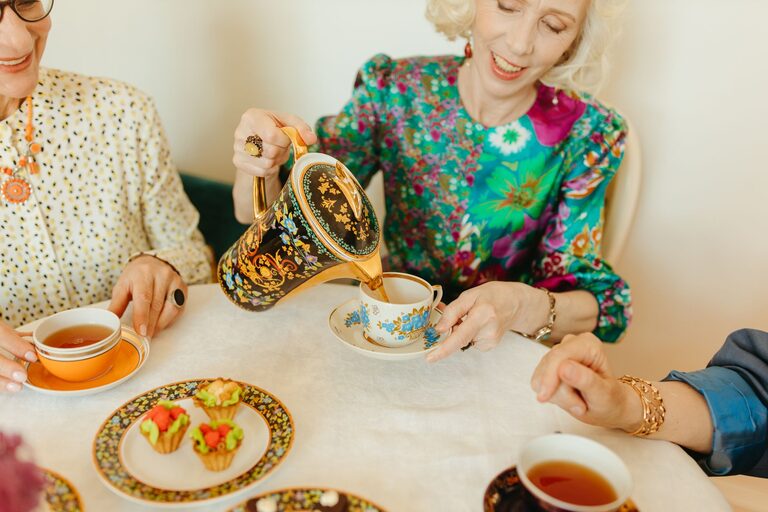
Online cooking groups are about more than instructions. They also create a sense of community. Members celebrate successful bakes, encourage people who are still learning, and trade ideas for holidays, birthdays, and casual gatherings.
A recipe post may lead to conversations about childhood memories, local traditions, or favorite ways to serve a dessert. A member who lives far from family can still take part in a shared cooking activity by preparing the same cake or cookies as people in another location.
Older women may also find that their experience is valued in these spaces. Their contributions can help answer questions, preserve family knowledge, and inspire other members to try traditional recipes. At the same time, they can learn new methods from younger cooks, creating a two-way exchange rather than a one-sided lesson.
Tips for Sharing a Recipe Clearly
Anyone who wants to post a classic dessert recipe can make it easier for others to follow by including a few key details:
- List the ingredients in order. This helps readers prepare before they begin.
- Include pan size and oven temperature. These details can affect the final result.
- Explain unfamiliar terms. Describe what “soft peaks” or “golden brown” should look like.
- Share timing with flexibility. Ovens vary, so appearance and texture can be useful signs.
- Include the recipe’s story. A short memory can give the dessert extra meaning.
- Invite questions. Readers may need help adapting the recipe to their own kitchen.
Photos can also be helpful, especially when showing the consistency of dough, the color of a baked crust, or the appearance of a finished dessert.
Preserving Sweet Traditions for the Future
Online cooking groups are becoming informal archives for recipes that might otherwise remain in personal notebooks or memory. A dessert shared in a group can reach people far beyond the original family or neighborhood.
Older women play an important role in this process by bringing experience, stories, and time-tested methods to digital spaces. Their posts show that traditional cooking can adapt without losing its identity.
Whether a recipe is for a simple batch of cookies or an elaborate celebration cake, sharing it online gives others the chance to make it, learn from it, and pass it along. In this way, classic desserts continue to connect people across kitchens, generations, and communities.